








Midicake Arp Review

Some devices ask you to play them; others ask what you really mean. The Midicake ARP is firmly in the second camp. Before I’d even powered it up, it already felt like something that wanted a role in the room rather than a corner on the desk, a box that preferred deliberate choices over casual noodling.
Power arrives via 5V USB, and the first boot gives you a logo screen with the firmware version plainly shown. Within an evening, the central idea becomes obvious. This is a 4-track hardware MIDI arpeggiator and sequencer built around deterministic, parametric “Melody Machines,” designed to generate long-form musical movement without leaning on randomness. The question is whether that controlled complexity stays musical once it meets a real studio, real time constraints, and a real appetite for immediacy.
A Studio Tool With a Point of View
The Midicake ARP is candid about what it’s for. Midicake began in 2020 primarily to design and build this unit, and the stated goal is specific: enable performers and producers to add complex, repeatable layers to compositions with minimal real-time input. That philosophy comes through in how the ARP behaves in practice. It wants you to set conditions rather than play every note, then keep you in the role of editor and conductor.
I found it most persuasive when I treated it less like a conventional arpeggiator and more like a compositional engine that happens to speak MIDI. Four polyphonic channels can run simultaneously or in sequence as four independent polyphonic arpeggiators, which means it’s comfortable building a full arrangement logic inside a single box. The generative element isn’t surprise, it’s combinatorics: parametric sequencing that stays consistent, with harmonic synchronization across tracks so everything remains inside the same scale based on the chords you’ve chosen.
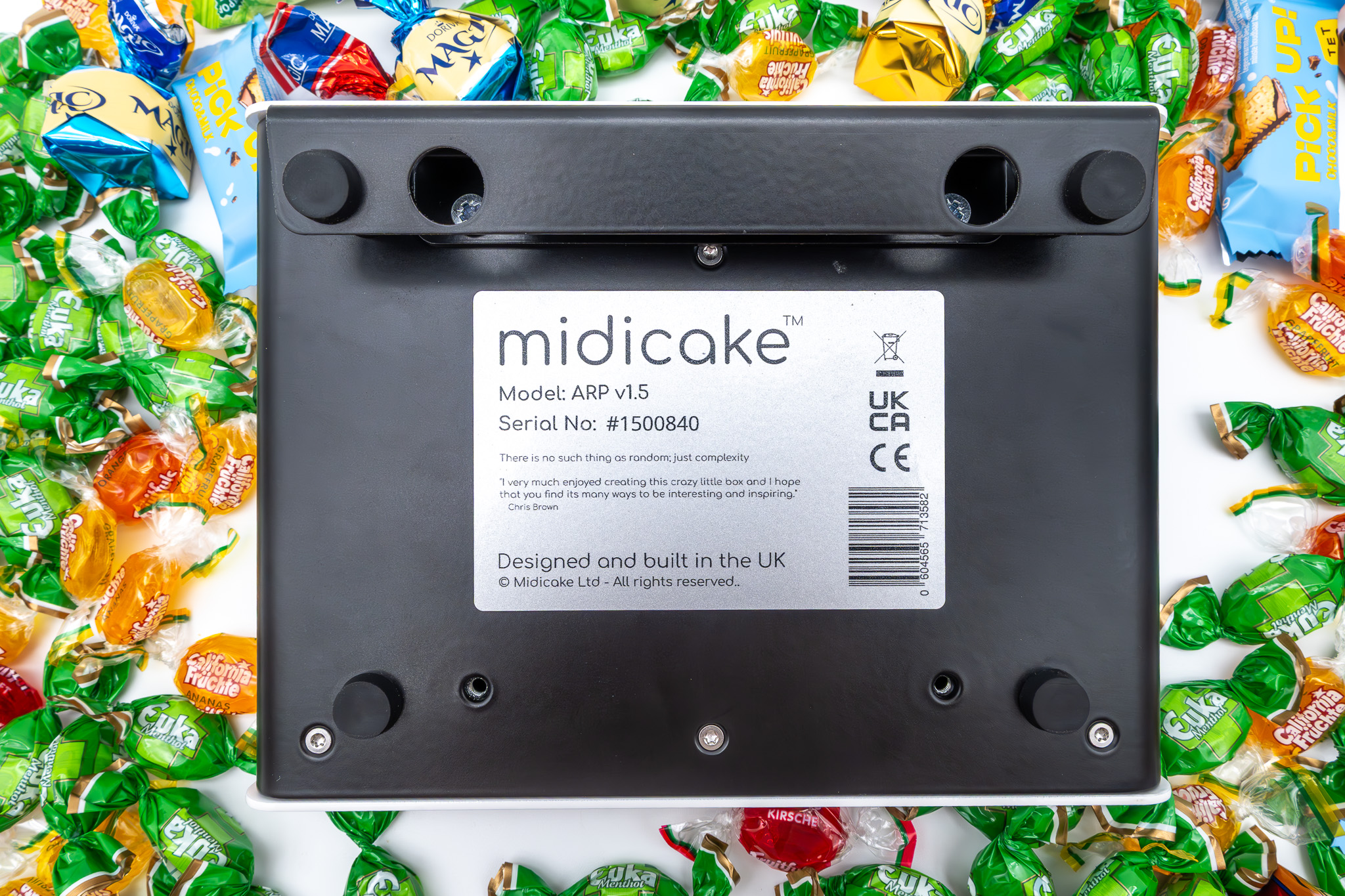
The cultural context matters, too. This is hand-built on site in South Wales, UK, with an emphasis on manufacturing standards and quality control. It reads like a small company that knows what it wants to put into the world, and what it refuses to fake.
Built Like It Plans to Stick Around
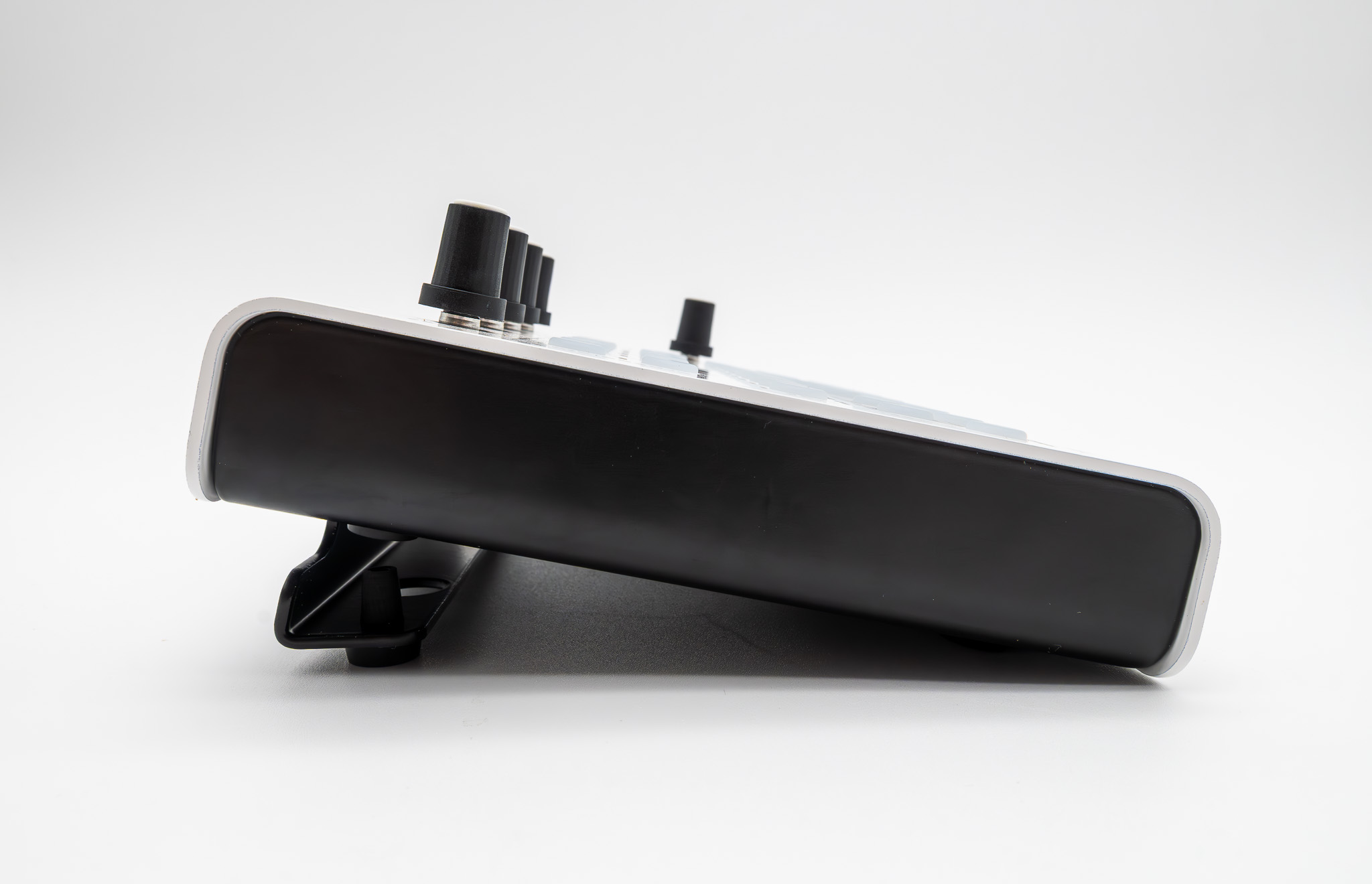
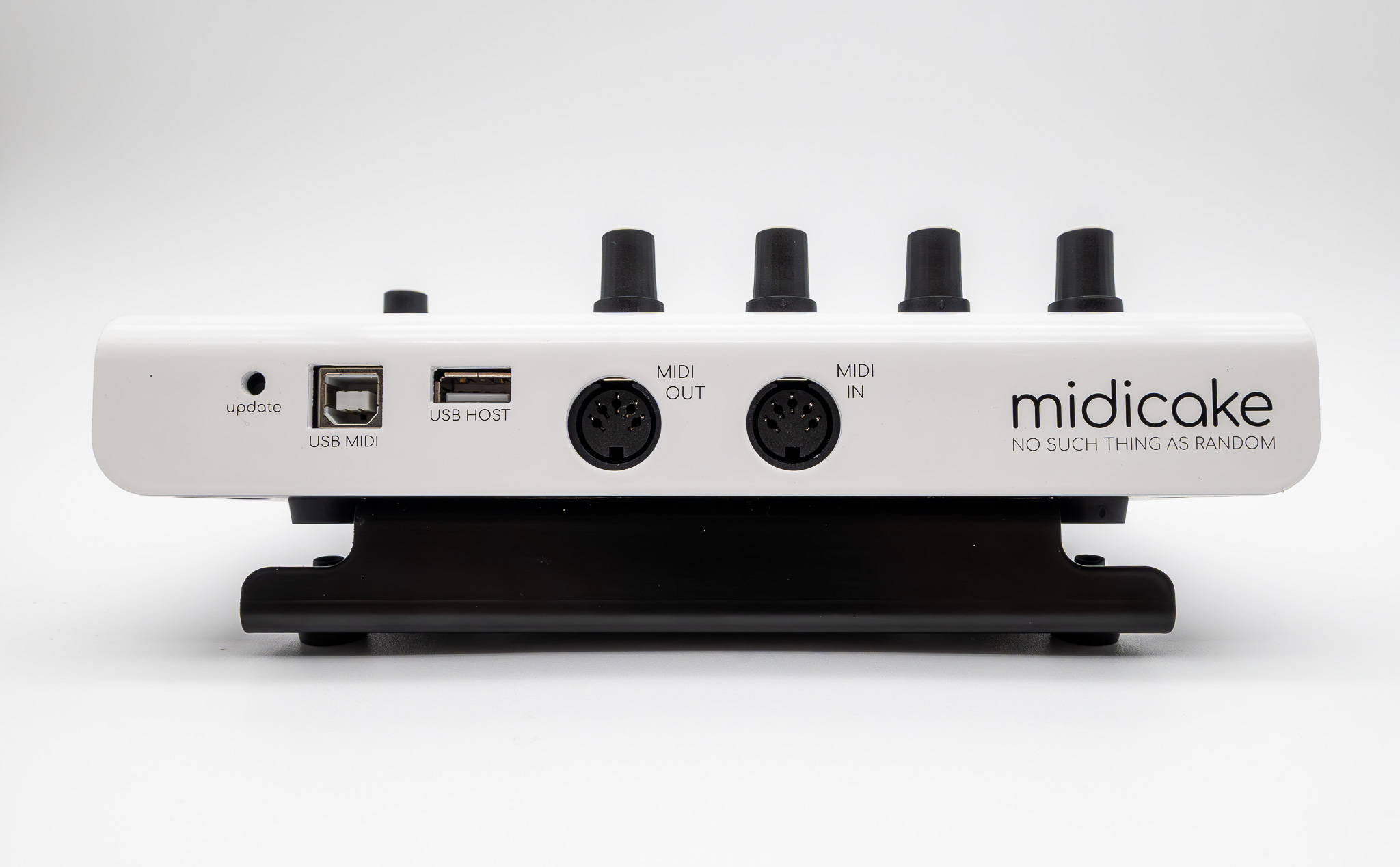
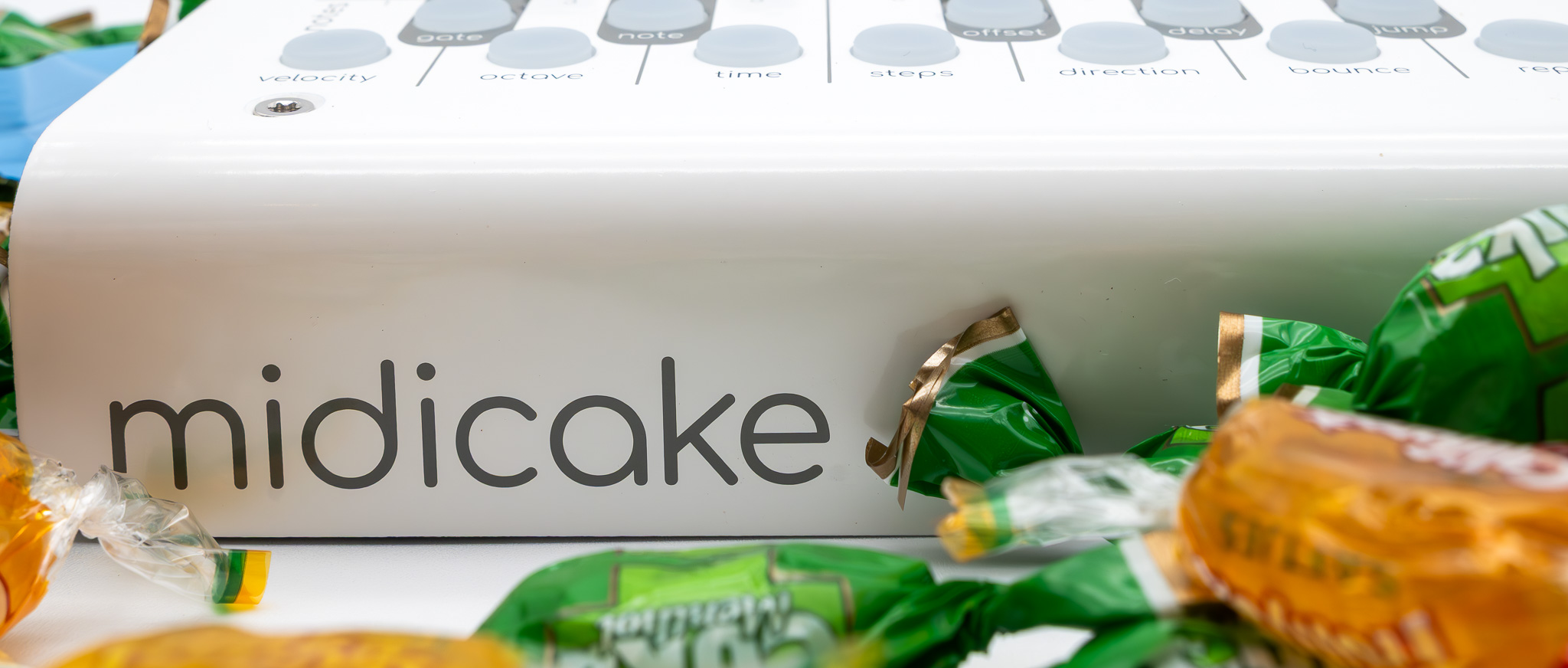
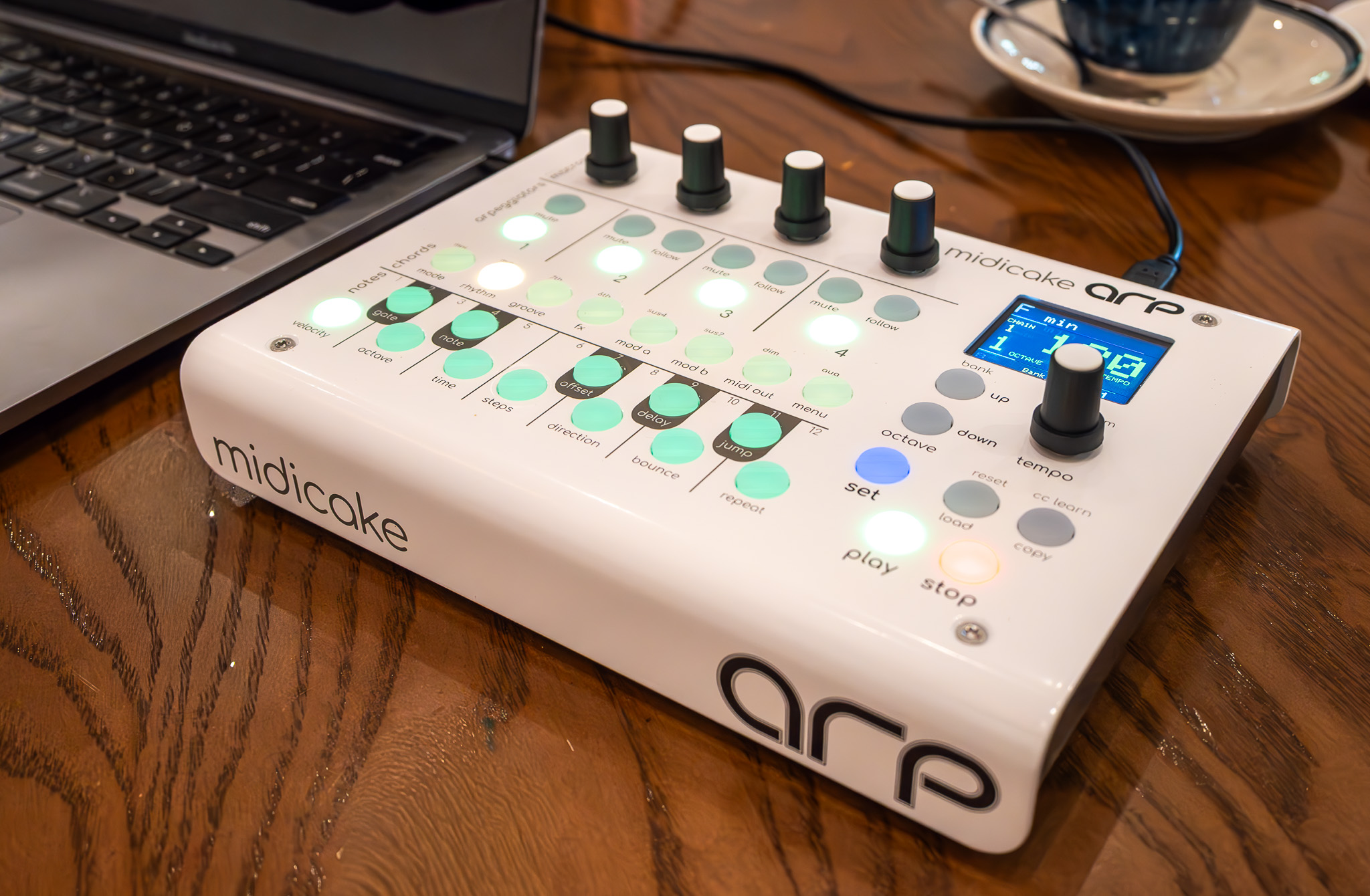
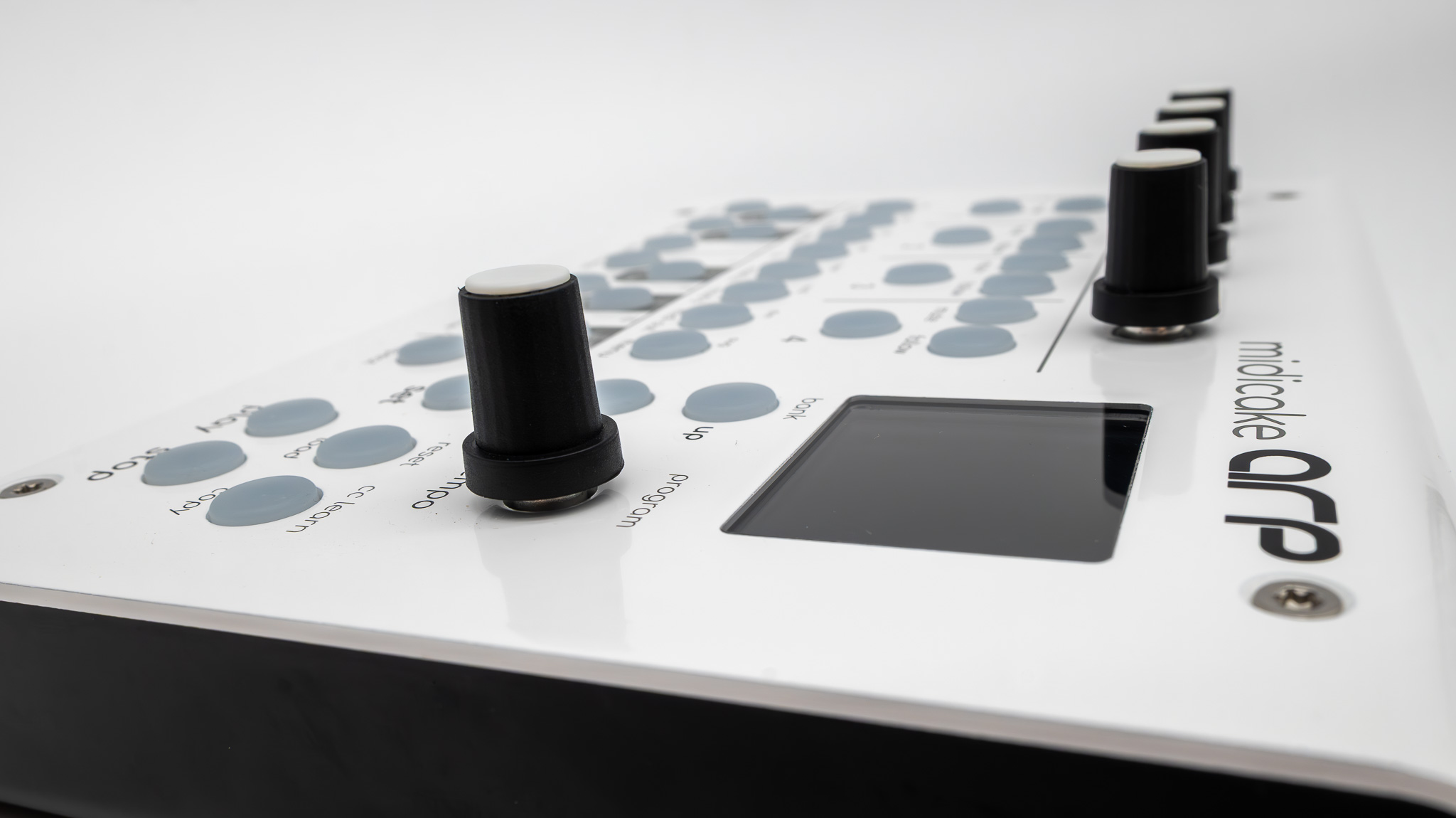 The most immediate build fact is the front panel: a metal front plate. In the hand, it feels composed, with the sort of finish that doesn’t beg for attention but doesn’t disappear either. I wouldn’t call it industrial, and I wouldn’t call it toy-like. It sits in that middle band of studio objects that feel maintained, appropriate, and meant to be used.
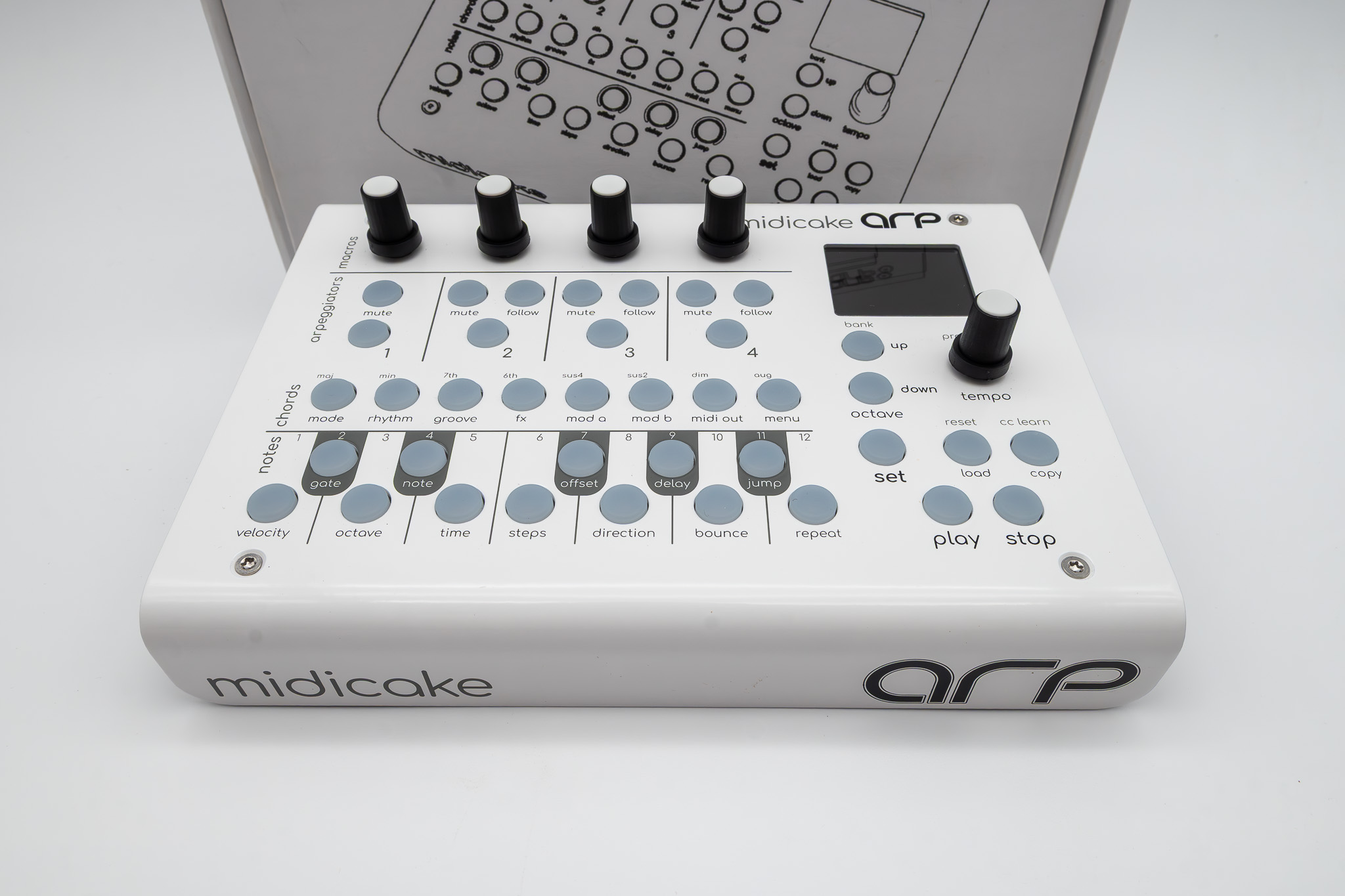
The included angle stand is more important than it sounds. On a flat desk, the ARP’s personality can feel a touch reserved; tipped up, it becomes a proper instrument interface. Over two work sessions, I adjusted the angle a couple of times until the controls felt less like I was reaching down into a box and more like I was meeting it halfway. There’s also VESA mounting, which signals an expectation that some people will treat this as semi-permanent infrastructure.
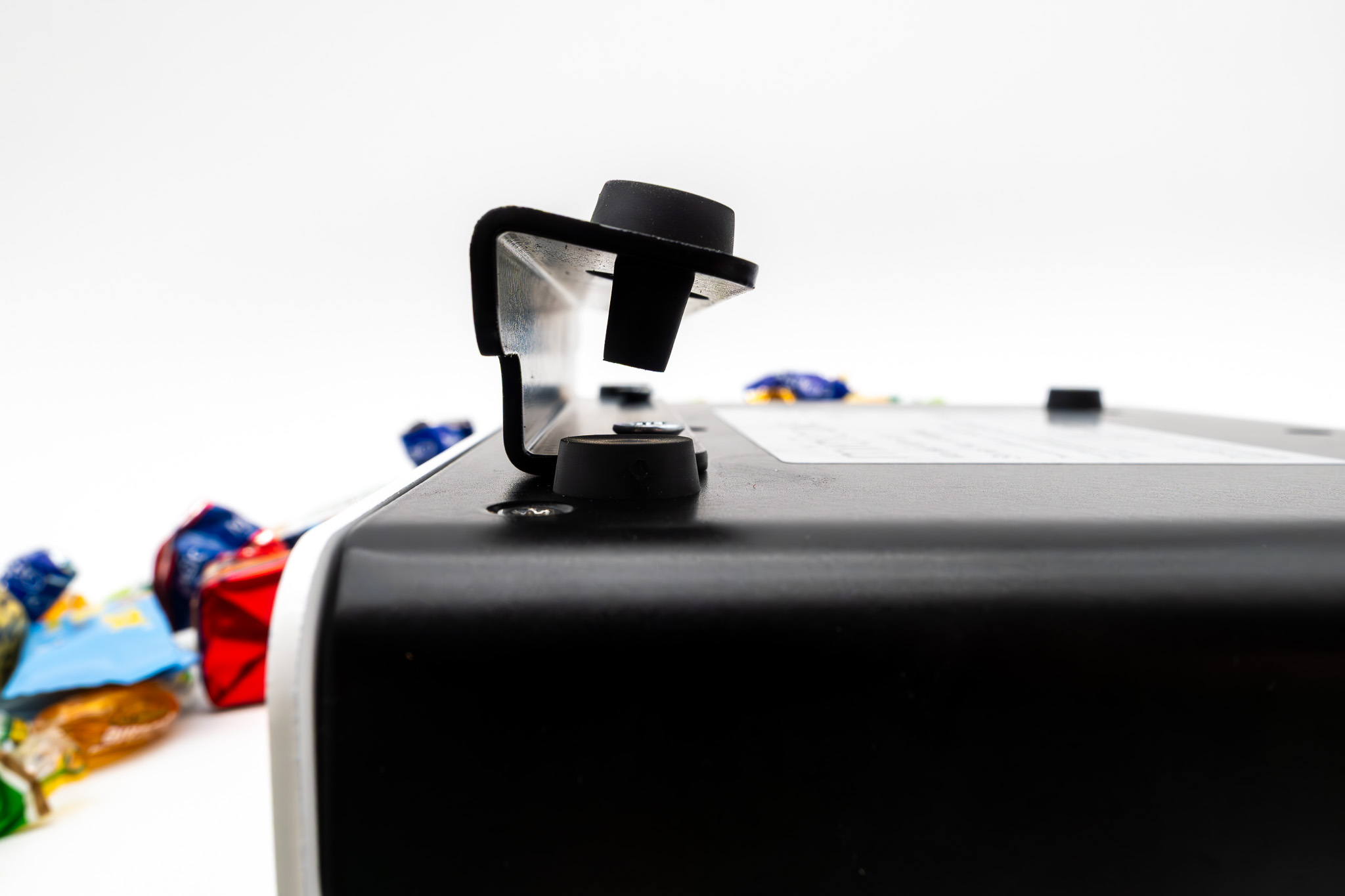
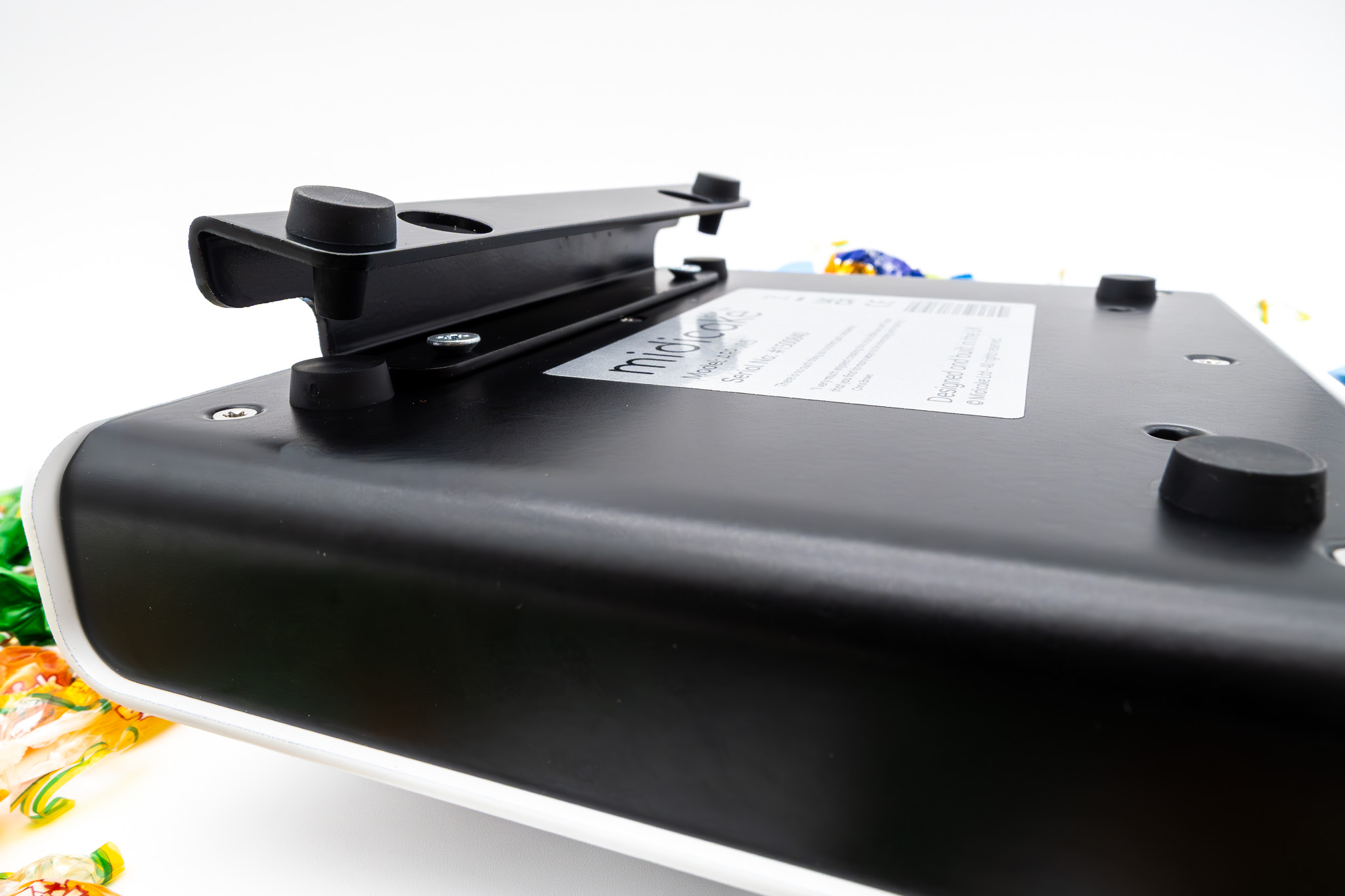
Midicake’s approach to manufacturing adds confidence without turning into romance. Components are sourced locally where economically feasible, and each unit undergoes automated quality tests and human inspections before shipping. You can feel that “ship it when it’s right” mentality in the physical object: nothing rattles, nothing feels improvised. It’s a compact device with a tidy sense of purpose, and that restraint suits a sequencer that’s trying to keep you out of chaos.
Four Engines, One Brain
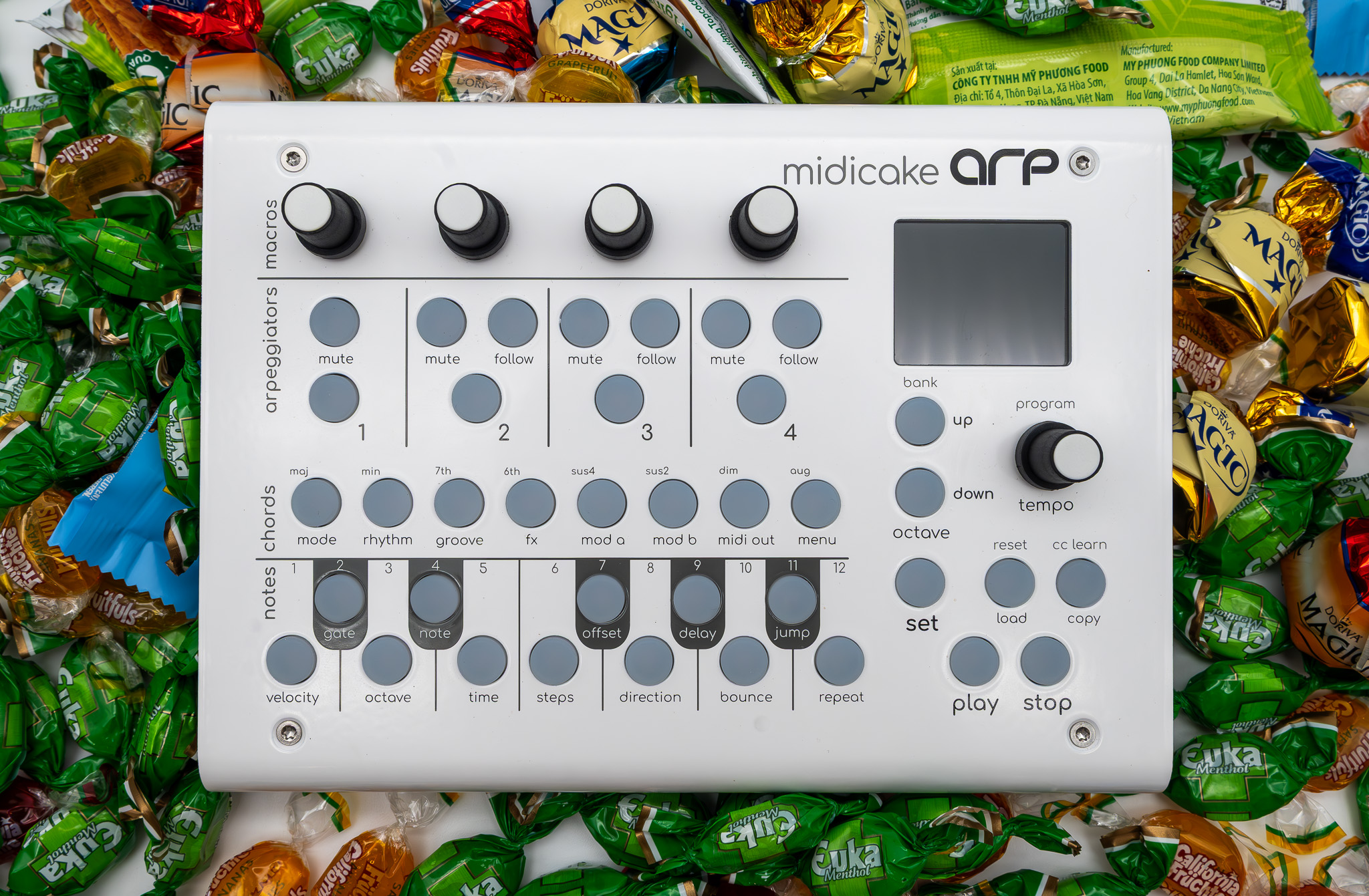
Functionally, the ARP revolves around four deterministic, parametric sequencers, described as “Melody Machines.” Each of the four polyphonic channels can become melodies, basslines, arpeggios, pads, drones, or percussion patterns, all without using randomness. In use, that last clause is the hinge. You’re never rolling dice. You’re setting rules.
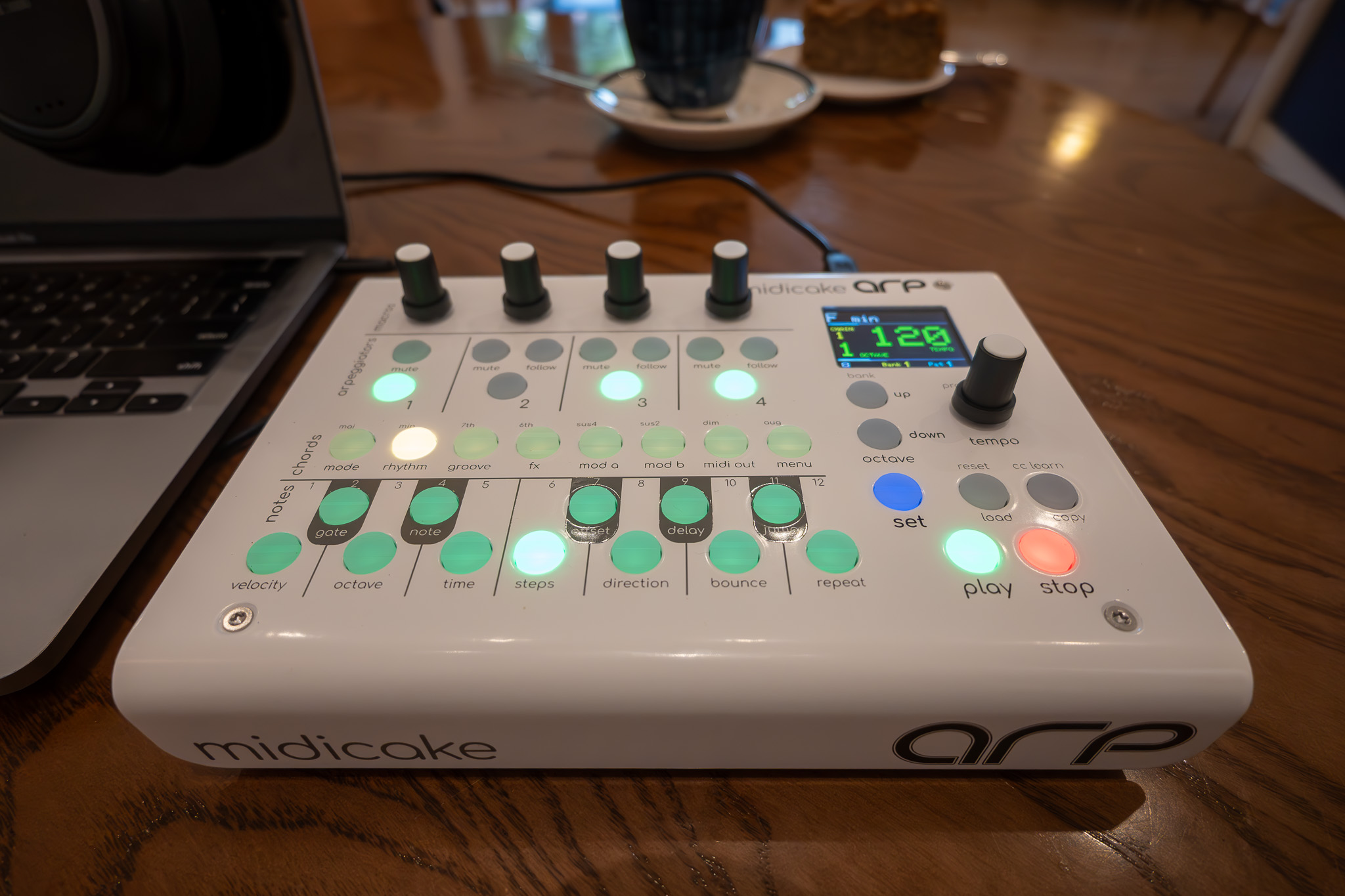
The interface is divided into Play Mode and Set Mode, and learning the difference is the first hurdle. Play Mode is where the ARP feels like an instrument, intended for direct musical movement through key and chord selection. Set Mode is where you configure channels independently or as groups in real time. I needed a little time to stop treating those modes as “performance” versus “programming” and start treating them as two kinds of performance: one harmonic and immediate, one structural and deliberate.
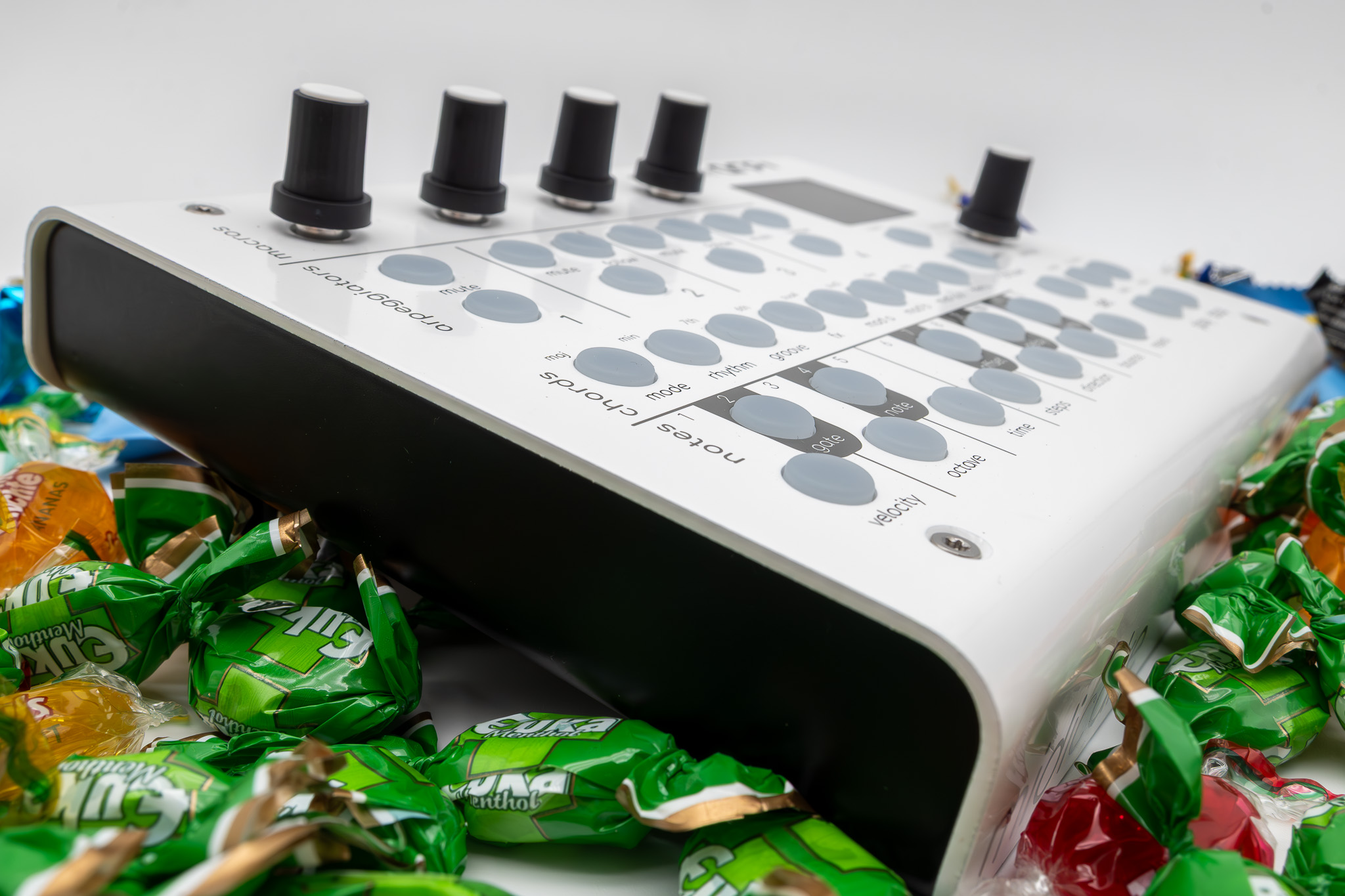
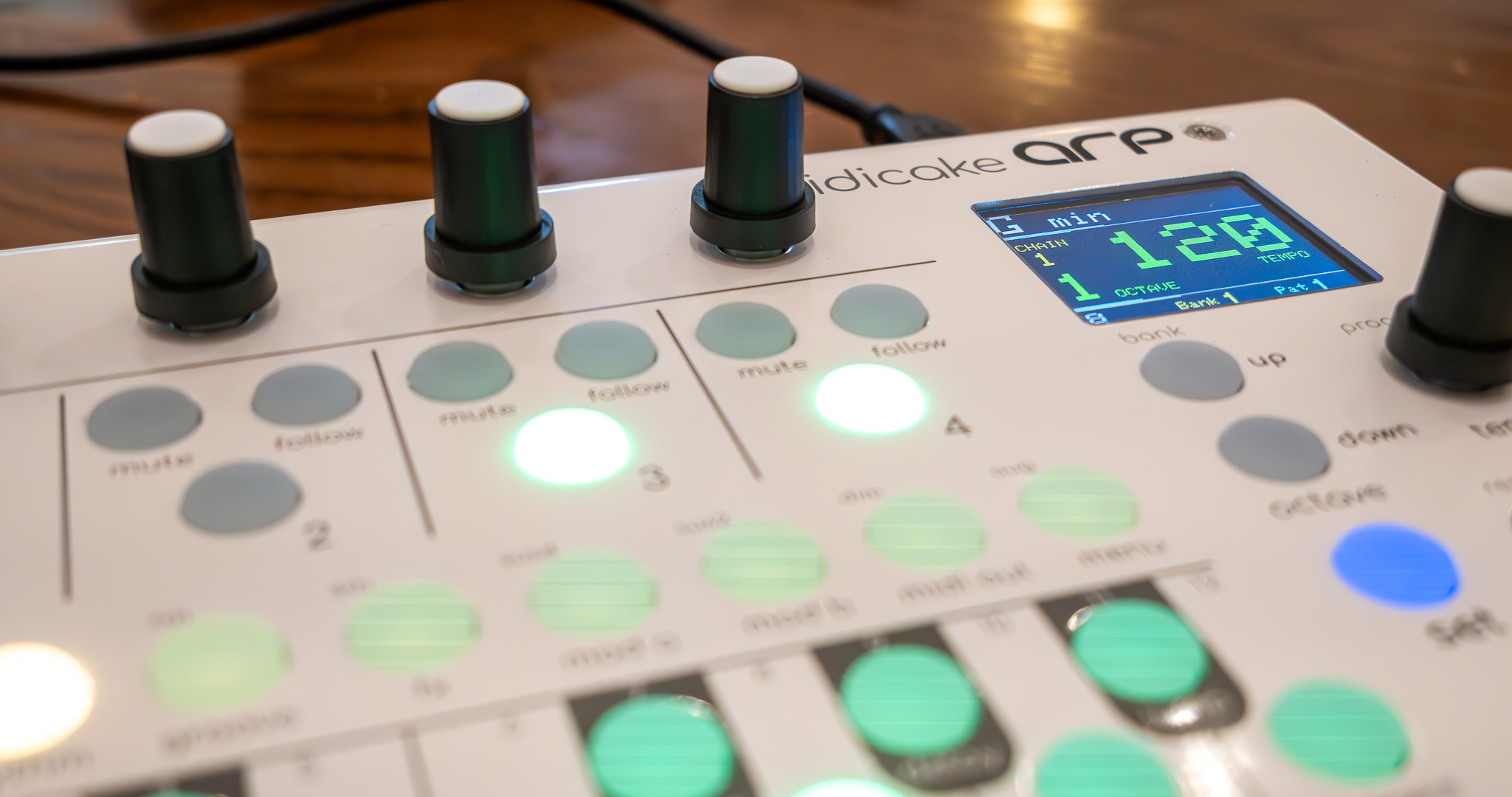
Real-time parameter editing without stopping playback is what makes the whole thing viable. You can keep the pattern moving while you adjust how it moves. When that clicks, the ARP starts behaving like a responsive system rather than a fragile setup you’re afraid to touch. Four macro knobs sit at the center of this, designed for real-time performance control, and programmable so you can decide which parameters deserve physical access. My own pattern over time was predictable: fewer, smarter assignments beat trying to control everything at once.
Harmony Without Dice
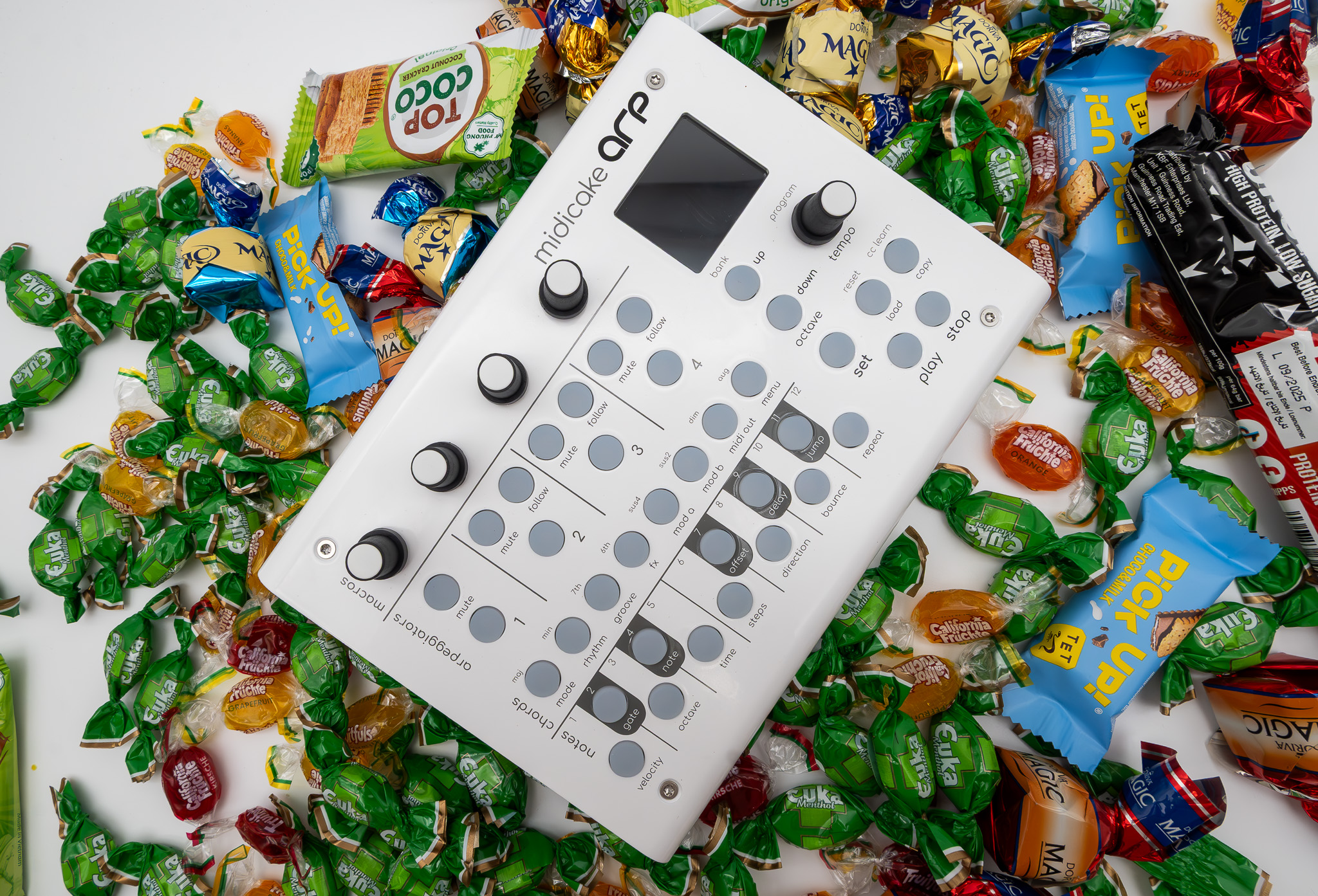
The ARP’s chord and scale engine is the reason it feels different from many multi-track arpeggiators. There’s a chord progression sequencer, chord chain sequencing for automatic progressions, and harmonic synchronization across tracks so that all tracks stay within the same scale based on selected chords. In practical terms, you can give the device a harmonic spine and then let the four arpeggiators interpret it in parallel.
The voice leading and advanced chord inversions are an understated strength. They’re presented as a way to create smooth transitions between chords, and that’s how they behave. You can make a progression move without sounding like a robot jumping between block shapes. It’s not lush by default, and it’s not trying to flatter you. It’s trying to stay musically consistent while it does a lot of work.
I also appreciated the incoming note and chord sync capability, and the sense that the ARP can track input from an external MIDI keyboard or other input device to add melodic layers synchronized to a player’s performance. Plugging a keyboard in changed my relationship to the box. Instead of feeling like I was authoring a system and then pressing play, I could keep my hands in a familiar place and let the ARP behave like a harmonically disciplined collaborator, reacting within the boundaries I’d already defined.
This is where its “no randomness” stance becomes a creative posture, not a limitation. The surprise comes from your own parameter choices interacting, not from chance.
Rhythms You Sculpt Over Time
Once harmony is set, the ARP’s sequencing depth comes forward. There are pattern, sequence, and rhythm editors, plus step, jump, and bounce controls that push beyond conventional up-and-down arpeggiation. The unit supports flexible time divisions with up to 32 steps per bar, and it’s comfortable with unusual time signatures and polyrhythms. Those facts read technical on paper; in practice, they translate to patterns that can keep their shape while changing their gait.
Gate release and time division options allow sequences that can run for hours before repeating. I didn’t measure anything; I simply noticed that the loop stopped feeling like a loop. The ARP can create long-form continuity where you stop waiting for the “start” to come back around. When I wanted more obvious punctuation, individual step repeat, chop, and ratchet functions made it possible to carve rhythmic emphasis into a line without turning it into a drum machine cliché.
Modulation is equally structured. Each arpeggiator has a dual modulation system, Mod A and Mod B, with multiple waveforms, plus an FX parameter that introduces pseudo-random but repeatable variations. That last phrase is the ARP in miniature: variation without chaos, movement without losing the plot. Binary patterns add another layer, applying rhythmic variation to parameters like velocity, delay, and timing. They can feel opaque at first, and I did have one moment of mild frustration trying to remember which layer I was editing. Once I slowed down and treated it as composition rather than tweaking, it became less mysterious.
Rhythm and groove patterns, with editable length and pattern parameters, round it out. Swing here feels like a designed constraint, not a sugary afterthought.
Connectivity for Grown-Up Rigs
The ARP is a MIDI device that behaves like it expects to sit at the center of a small ecosystem. Connectivity is generous without being fussy: standard 5-pin DIN MIDI In and MIDI Out with MIDI Thru for daisy-chaining, plus USB MIDI. The USB-B port handles both power and MIDI over USB, so a single connection can put it into a computer-based setup without extra adapters. The USB-A host port is for direct connection to USB-MIDI class-compliant keyboards and controllers, which is how I wanted to use it, with fewer little boxes in between.
Routing is part of the design, not an afterthought. Each arpeggiator can have its own independent MIDI output channel, and the unit can control up to 8 unique devices via its USB and MIDI ports, with each arpeggiator operating as a pad, chord, or arpeggio and outputting MIDI independently or combined. In a practical studio session, that meant I could think in terms of musical roles rather than “tracks” in the DAW sense: one arpeggiator as harmonic bed, another as a bass logic, another as a mid-register pattern, another as a percussive line, each pointed where it needed to go.
Clocking is equally flexible. The ARP can run on its internal clock while outputting MIDI clock, or sync to an external MIDI clock. That matters if you’re dropping it into an existing studio grid. It also supports MIDI CC control, and the manual describes a MIDI Control Mode for configuring output behavior, including channels and CC output options. The result is a device that doesn’t insist on being the only brain in the room, but can be one if you want it.
Saving Systems, Not Just Presets
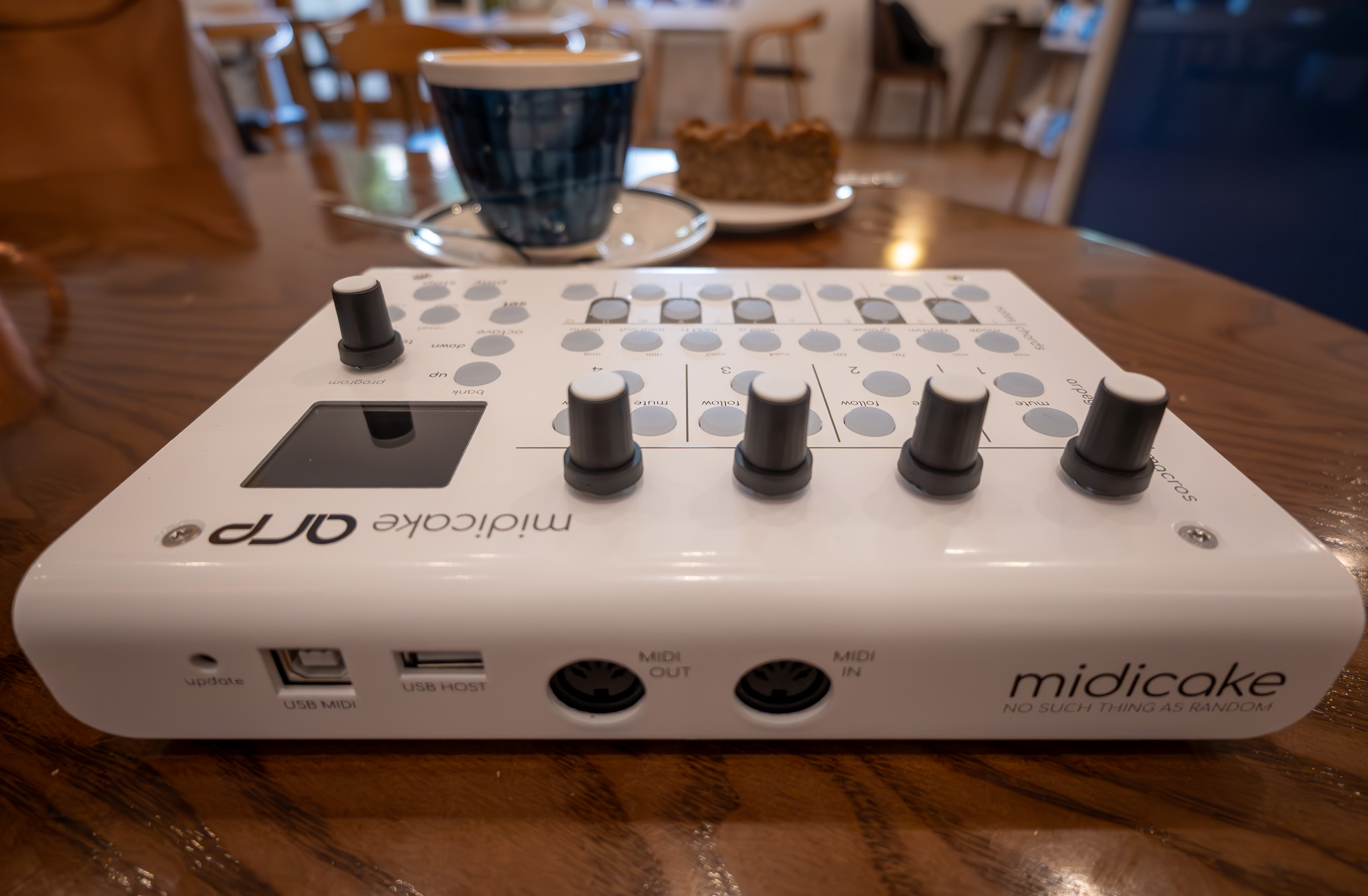
The ARP stores 192 patches across 16 banks, and it’s the sort of memory structure that encourages you to work in families: variations on a set of harmonic and rhythmic ideas rather than isolated “songs.” By the second day, I found myself saving more often, not because I was afraid of losing work, but because the device rewards comparative listening. A small change in time division or modulation becomes meaningful when you can recall the earlier version immediately and choose with your ears.
Value is easier to discuss because the company is unusually direct about pricing. The product page headline offer is “Get ARP for just £299,” with taxes and shipping excluded, and shipping indicated as February 2026. There’s also a total price calculator that estimates shipping and VAT or import taxes, while admitting those figures are guidance only. The number itself is compelling for a hand-built, multi-track MIDI composition tool, but the delivery timing and regional add-ons are part of the decision, not fine print.
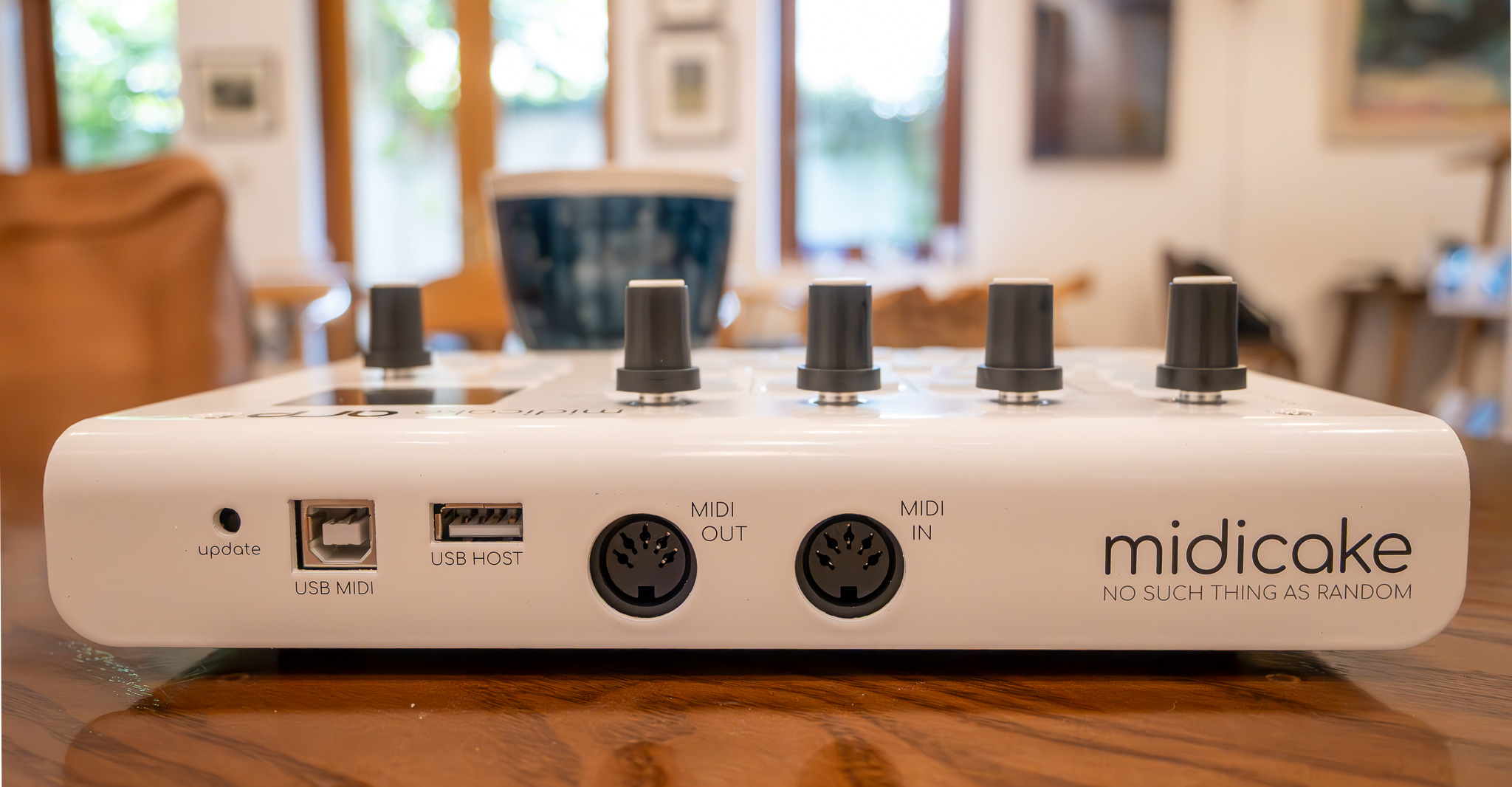
Long-term support looks thoughtful. There are two versions, Mark 1 (version 1.4, 2022) and Mark 2 (version 1.5, 2023+), with a V8 user manual published for both. Firmware downloads list v1.5.8.5133 for Mark 2 and 1.4.8.5133 for Mark 1, both described as V8 releases. The update process, though, is my clearest friction point. Firmware is loaded using the Teensy Loader application and a specific .ino.hex file, and you have to press an UPDATE button on the back of the unit to begin. It’s not difficult once you’ve done it, but it’s not graceful, either.
Documentation helps. A Quick Start Guide gets you moving, and the full User Manual goes deep, with tutorial videos available for basic operation and editing parameters. You’ll need them if you plan to use the ARP at full depth.
Final Take
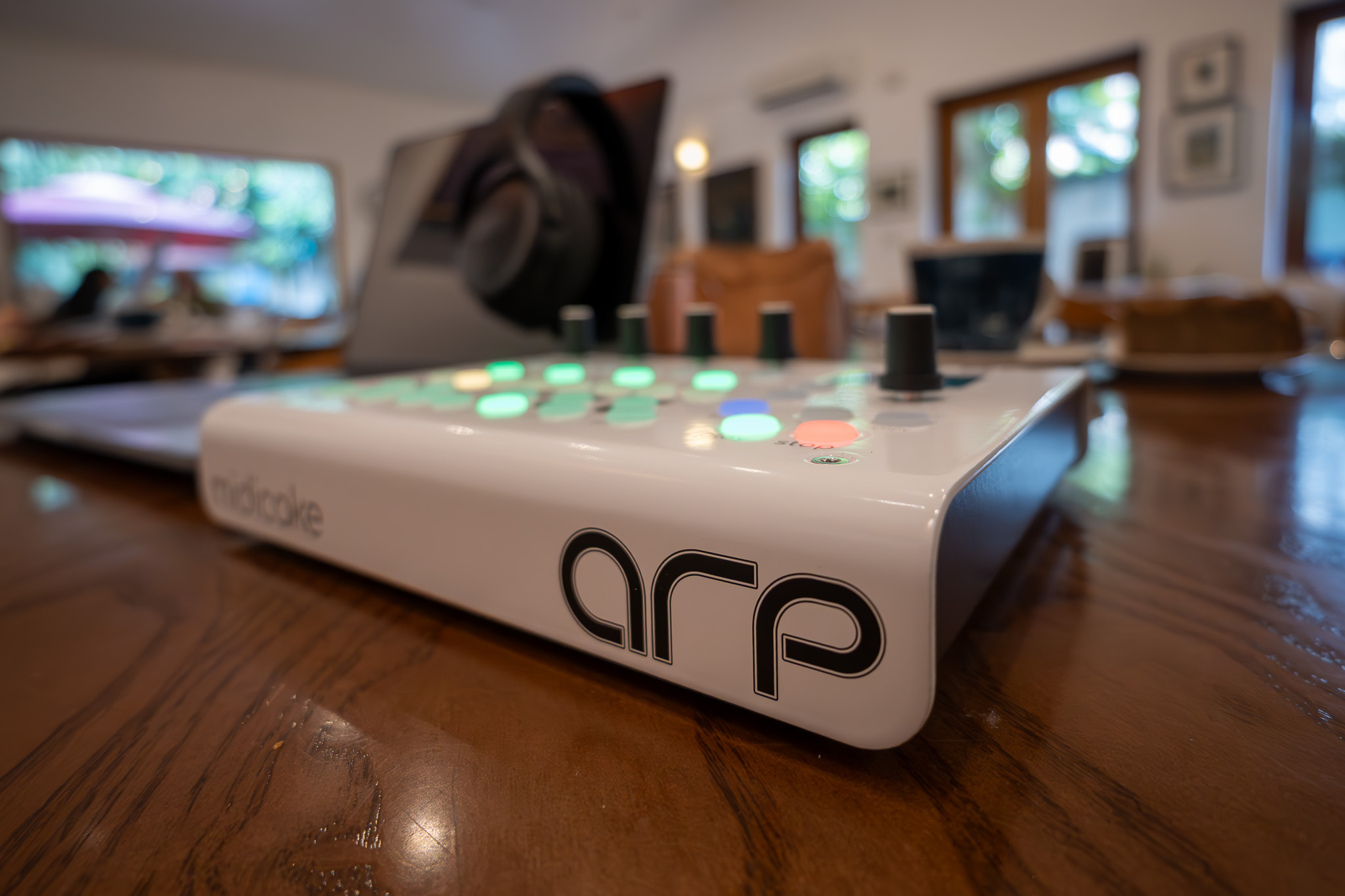
After living with the Midicake ARP long enough to stop treating it like a novelty, I came away respecting its restraint. This is a 4-track, polyphonic hardware MIDI arpeggiator and sequencer that takes generative composition seriously, but refuses to hide behind randomness. The deterministic, parametric “Melody Machine” approach gives it a particular character: controlled, repeatable, and willing to run for a long time without collapsing into a short loop.
It belongs with musicians and composers who enjoy setting systems in motion, then shaping them in real time. If you like harmonic discipline, chord progression sequencing, and the ability to keep four independent arpeggiators synchronized inside a shared scale, the ARP feels considered and unusually coherent. The connectivity supports real studio life, too, with MIDI DIN, USB MIDI, USB Host, internal or external clocking, and the ability to control multiple devices with independent output channels.
Skip it if you want immediacy above all, or if your idea of “generative” depends on unpredictability. The learning curve is part of the price, and the firmware update process feels like a small workshop solution rather than a consumer one.
My most telling moment came late on the second evening: I recalled a patch I’d saved earlier, hit play, and the entire structure returned exactly as I’d left it, alive but obedient. That’s the ARP’s promise, and it keeps it.