








H2O Audio TRI Pro Multi-Sport Bone Conduction Headphones

Introduction
For athletes, headphones are more than just a way to pass the miles—they’re a lifeline to motivation, focus, and energy. But for runners pounding the pavement, swimmers gliding through the water, and cyclists cutting through the wind, one problem always rears its head: sweat, water, and the elements. Traditional headphones can’t handle the heat—literally. Enter the H2O Audio TRI Pro Multi-Sport Bone Conduction Headphones, a device that promises to do it all.
These headphones claim to be the ultimate solution: waterproof, sweatproof, and designed for seamless transitions between land and water. They’re built for the dedicated athlete, the triathlete, and the all-weather runner who demands headphones that can keep up. When I first saw them, the intrigue was immediate—how could a pair of headphones handle the challenges of sport while delivering the audio quality we all crave? The promise of technology meeting performance was enough to make me take the plunge and put these headphones to the ultimate test.
After weeks of running in sweltering heat, swimming endless laps, and even sneaking in some casual podcast listening, here’s everything you need to know about the H2O Audio TRI Pro—what they get right, where they fall short, and whether they’re worth diving into.
Technical: A Look Under the Hood
Bone conduction technology is a groundbreaking way to experience sound, especially for athletes. Traditional headphones rely on air conduction—sound waves travel through the air and into your eardrum. Bone conduction flips the script, bypassing the eardrum entirely. Instead, vibrations are sent directly through the bones of your skull to your inner ear, leaving your ears open to environmental sounds. For sports enthusiasts, this means hearing your music or podcast while staying alert to traffic, your coach’s voice, or the lap timer at the pool.

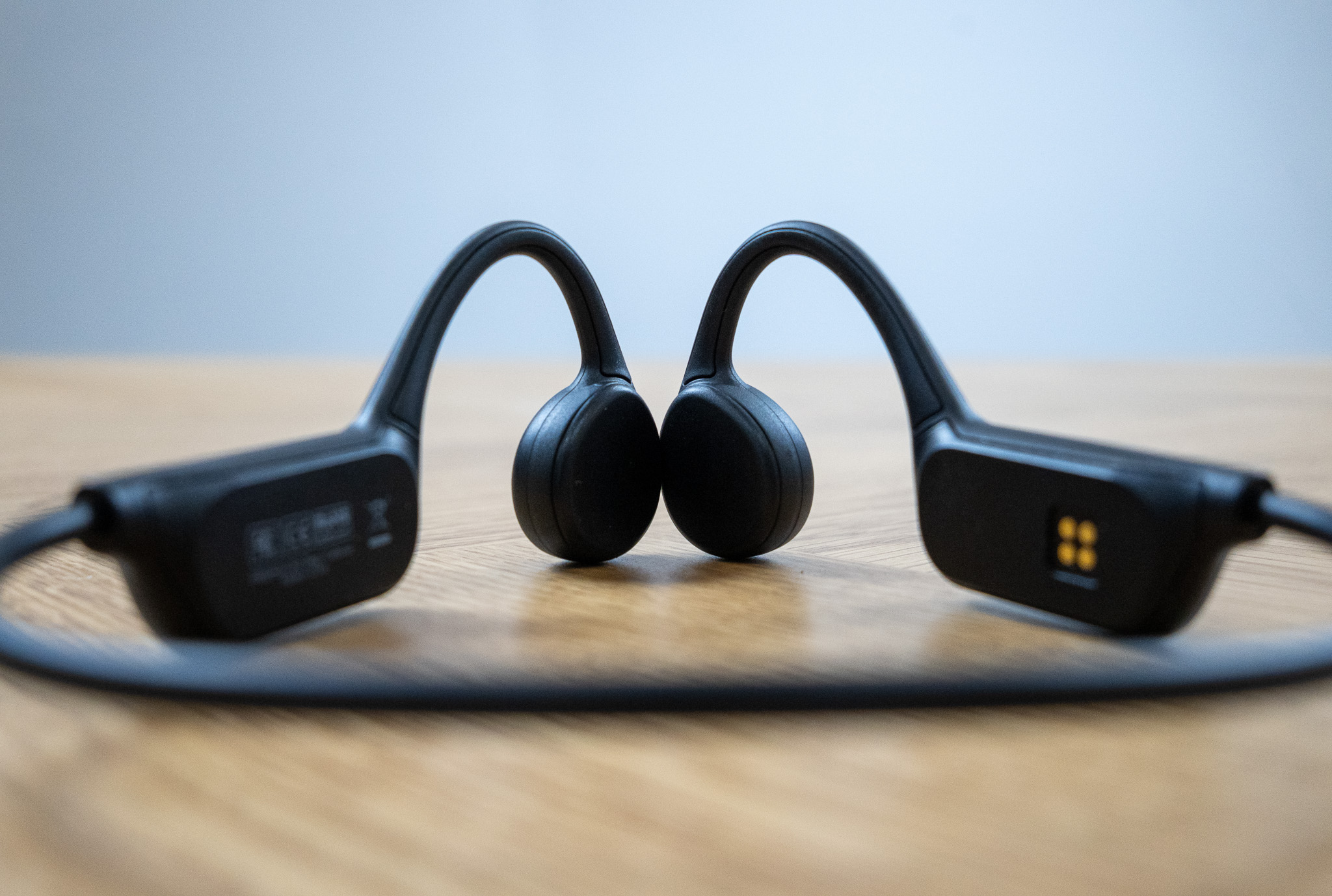
The H2O Audio TRI Pro Multi-Sport Bone Conduction Headphones take this technology and push it further with a slimmer, more ergonomic design. The lightweight frame fits snugly around your head without feeling intrusive, while the IPX8 waterproof rating ensures they’re as comfortable in a lap pool as they are on a long run. Whether you’re drenched in sweat or submerged in water, they keep playing, solving one of the most frustrating problems for athletes: the constant battle against moisture.
Another standout feature is the built-in 8GB memory, allowing you to store hours of music or podcasts directly on the device. This is a game-changer for swimmers or anyone who prefers to leave their phone behind. The Playlist+ function offers a modern twist by letting you transfer tracks directly from streaming services. However, when testing Playlist+ and streaming music at higher volumes, the battery life dwindled quicker than expected—a 40-minute swim took 25% off the charge. I appreciated the audible percentage alerts, which provided a clear picture of when it was time to recharge.
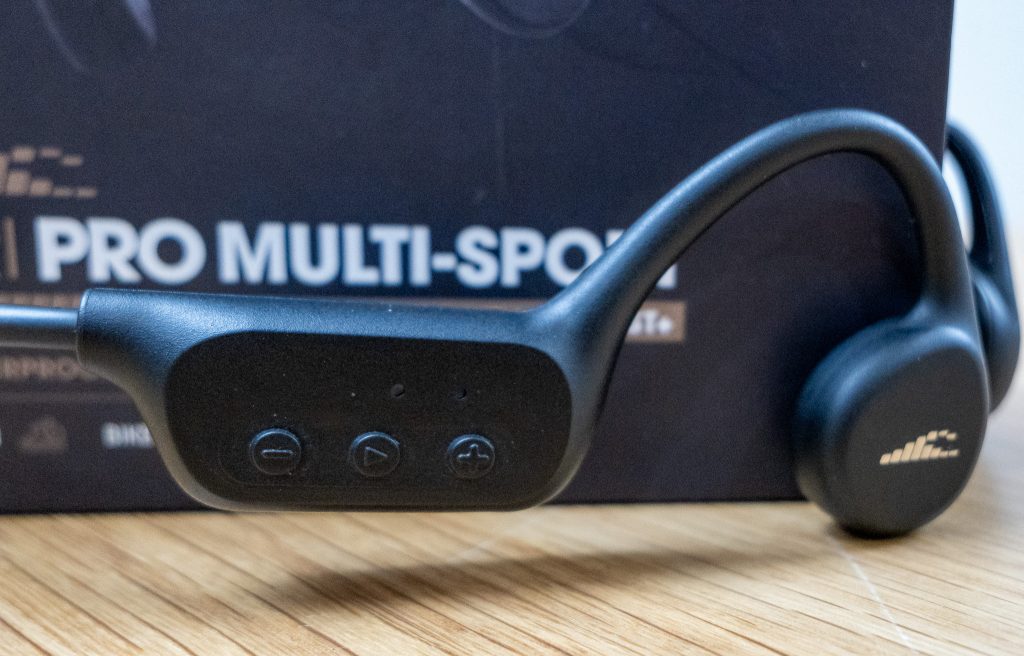
On the control front, the TRI Pro keeps things straightforward with three physical buttons. These allow you to adjust volume, skip tracks, or switch modes without fumbling for your phone. While the buttons are close together, they’re intuitive enough once you get used to them.
The bone conduction speakers themselves have been refined to deliver clearer audio, though the quality is best described as functional rather than audiophile-grade. But for athletes, it’s not just about rich bass or sparkling treble—it’s about durability, usability, and keeping you motivated through every mile and every lap.
Every feature here serves a purpose: the waterproofing keeps them safe in extreme conditions, the open-ear design prioritises safety, and the built-in memory frees you from your devices. In theory, they’re built to be the ultimate companion for anyone who thrives on movement, sweat, and speed.
Experience
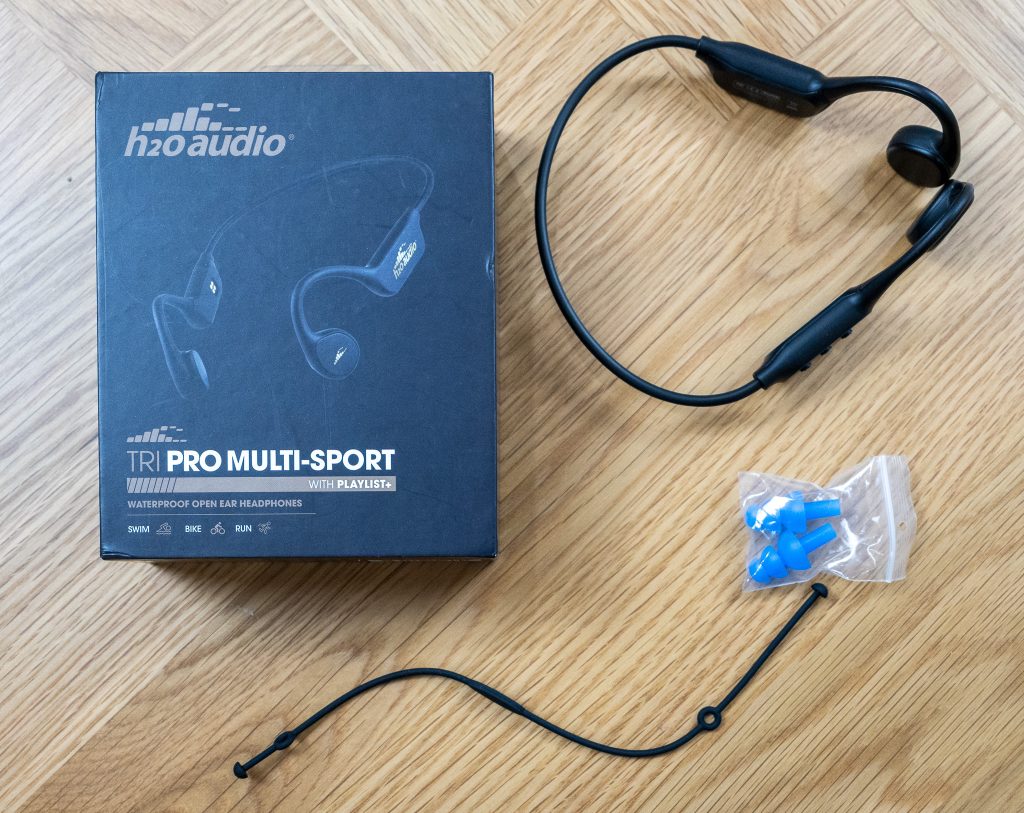
Unboxing the H2O Audio TRI Pro was an exercise in mixed emotions. The packaging was sleek yet minimal, giving a first impression of practicality over luxury. Inside, the headphones sat nestled with a charging cable, a pair of standard earplugs for enhanced underwater audio, and a user manual that was surprisingly concise for such a feature-rich product. As I held them, the build quality was reassuring—a blend of lightweight plastic that felt durable enough to take a few knocks.
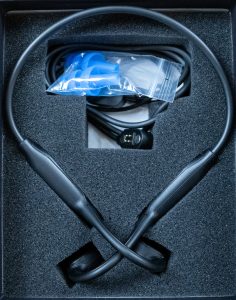 Then came the apprehension. Bone conduction headphones have always struck me as an engineering marvel, but I wondered: Would they feel awkward on my cheekbones? Would the sound deliver enough punch to make workouts enjoyable?
Strapping them on for the first time, I fiddled with the fit. There’s a bit of a learning curve to finding the sweet spot, especially for swimming. During my first pool session, tucking the arms under my swim cap made the speakers sit too far from my cheekbones, resulting in muted sound. Adjusting the position just above the cap helped immensely. Out of the water, the fit felt snug but not constrictive, and the open-ear design allowed me to remain aware of my surroundings—a confidence booster on busy running trails.
The first deep breaths of music underwater were surreal. Let’s be clear: the H2O Audio TRI Pro isn’t here to dazzle audiophiles. Its bone conduction technology provides a unique listening experience that thrives in specific conditions—primarily underwater. Music sounds clearer and fuller when submerged, with tracks maintaining a surprising level of clarity, especially when paired with the provided earplugs.
Above water, the sound falters. Bass is noticeably absent, and the overall profile feels muted, with vocals and mids taking centre stage while highs struggle to sparkle. Listening to Massive Attack’s “Unfinished Sympathy,” I noticed an overall muddiness that dulled the emotional impact of the track. That said, for workout motivation or podcast narration, it does the job adequately.
Over time, the TRI Pro has become an integral part of my daily routine. It’s the first thing I grab for a swim, the companion for my evening runs, and even a surprisingly decent partner for podcasts during work breaks. Yet, it’s not without flaws. The controls are a bit finicky, especially in water. The buttons, located on the right side, are too close together, making it hard to differentiate without pausing to look—a frustrating pause when you’re mid-stroke or stride.
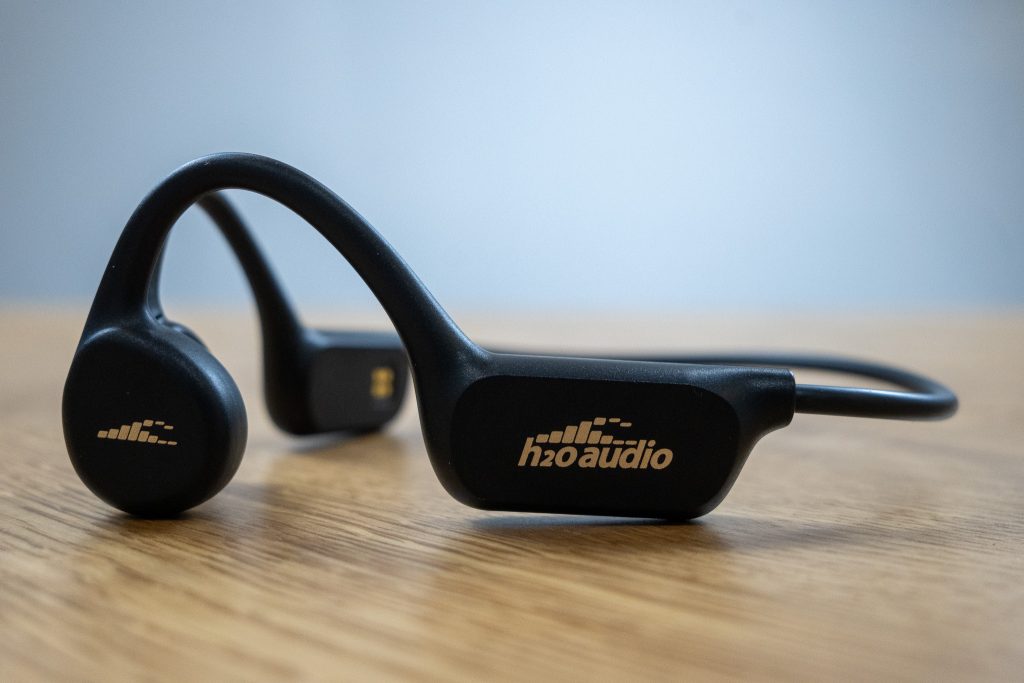
When you compare the TRI Pro to other bone conduction options like the Shokz OpenRun Pro or Aftershokz Aeropex, the difference lies mainly in the fit and convenience for specific activities. Shokz models, for example, excel in delivering clearer sound with less distortion at higher volumes. They also come with a slightly more refined ergonomic design, offering a more secure fit, especially for high-intensity activities like running. However, the TRI Pro has the edge for swimmers with its IPX8 waterproof rating, making it a standout for those who need a pair of bone conduction headphones that can handle both water and sweat with ease.
Final Thoughts: Worth the Investment?
After spending a good amount of time testing the H2O Audio TRI Pro Multi-Sport Bone Conduction Headphones, I can confidently say that they offer a unique and useful solution for athletes, particularly those who want to take their music into the water or deal with the frustrations of sweat-drenched earphones during intense exercise. For sports enthusiasts, these headphones are more than just a gimmick—they solve a real problem. Whether you’re swimming laps, running through the heat, or cycling in the rain, these headphones stay in place, resist moisture, and allow you to enjoy music without sacrificing safety by blocking out ambient noise.
Will they become a daily part of my routine? For sports and fitness, absolutely. They’re especially perfect for when you need music on the go but don’t want to deal with the constant adjustments or discomfort that comes with regular earphones. The ability to leave your phone behind while swimming is a game-changer for anyone serious about their aquatic workouts, and the IPX8 waterproof rating ensures they’ll perform even in the harshest conditions.
However, for everyday listening outside of workouts, I’m not sure if they’ll make it into my regular rotation. The sound quality, while decent for spoken word content or podcasts, doesn’t offer the clarity or richness you’d get from traditional headphones or higher-end bone conduction models like those from Shokz. It’s fine for getting through a workout or swim session, but it falls short if you’re hoping to use them for music-heavy activities or if you’re someone who values audio fidelity. If you’re looking for high-quality sound to accompany your daily commute, I’d still opt for over-ear or in-ear headphones that are built with superior sound in mind.
As for the price tag, the H2O Audio TRI Pro are certainly priced higher than most regular bone conduction headphones, and that’s largely due to their specialised features—primarily the waterproof design and built-in storage for music. For athletes or swimmers who need these capabilities, the TRI Pro is worth the investment. For anyone else, however, the price may be a bit of a stretch, especially when you can get similar bone conduction products for less.
For those who aren’t into sports or swimming, are these headphones worth it? Probably not. If you’re a casual listener who just wants a pair of bone conduction headphones for comfort or to hear your surroundings while walking or running errands, there are plenty of more affordable options out there. The TRI Pro excels in specific conditions—waterproof and sweatproof workouts—but doesn’t offer enough versatility for everyday use outside of those scenarios.
Are bone conduction headphones a fad? Definitely not. In fact, this type of technology has been around for quite some time and is gaining traction in various industries. The idea of an open-ear listening experience is here to stay, especially as people become more health-conscious and safety-minded. The TRI Pro demonstrates how far this technology has come, offering a solid combination of functionality, water resistance, and the freedom of listening without needing to rely on traditional, moisture-sensitive earphones.
In conclusion, while the H2O Audio TRI Pro might not be perfect for everyone, for athletes and swimmers, they’re a worthwhile investment—offering a specialised solution that is hard to beat. If you fit into that category, they’ll definitely earn a permanent spot in your workout gear. But for those not engaged in sport, the TRI Pro might not offer enough in terms of sound quality and versatility to justify the cost.
Written by Amin Brodie
Photos by Valeryia Kalantayeva