










Aloe Ecological Boutique Villas Krabi Review

The first thing that hits you isn’t a welcome drink or a chilled towel. It’s the soundscape: waves working the shore, palms shifting overhead, cicadas doing their mid-afternoon static. Arriving at the Beach Villa in the mid-afternoon, after the short drive from Krabi Airport and a longer pause negotiating Ao Nang traffic, I stepped out of the car to that same mix of wave noise, rustling palms, and the faint hum of insects. Bamboo fencing framed the entrance, not as decoration but as the actual perimeter, and beyond it the property opened into a world of wood, green, and water. Aloe calls itself “Eco Luxury Villas in Krabi,” and they lean hard on the idea that time slows down and nature redefines luxury. That’s heavy marketing language, but the first impression was promising: no big concrete blocks, no glossy lobby, just low, natural structures and a clear line of sight to the beach.
A staff member met me at the gate, check-in tablet in hand, and walked me through the Beach Villa 2 that would be home. The layout unfolded in a straight, honest sequence: entry path, open living pavilion, private pool, sand, sea. Bedrooms sat slightly back, wrapped in air-conditioned calm. I knew the photos from the website, with all the bamboo, neutral woods, and that indoor-outdoor bathroom setup, but walking through it is different. You stop thinking in angles and start thinking in airflow and shade.

Aloe positions itself as eco-luxury for people who want immersion in nature without the over-the-top theatrics that define so many “sustainable” resorts. Moving between the Beach Villa, the saltwater pool, and outings around Krabi, I kept testing that claim. Was this genuine low-density, experience-led hospitality, or just bamboo-wrapped greenwashing on a nice stretch of coast? The answer sits somewhere specific rather than in a simple yes-or-no box.
A Quiet Corner With Intentional Distance
 Aloe’s jungle villas sit around 5 kilometers from Ao Nang, and the Beach Villas share that general orbit—close enough that Ao Nang’s restaurants and boat piers are a short drive away, far enough that you don’t hear bar music when you’re in bed. My transfer from the airport took about half an hour, skirting Krabi Town and then peeling off toward the coast. The last stretch runs through a patchwork of local homes, small shops, and stretches of palm and jungle before you hit the beachside lane that fronts the property.
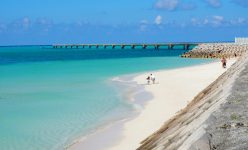
This isn’t a walk-out-into-a-bustling-neighborhood kind of address. From the villa, the main thing that’s walkable is the beach itself, and the villa setup leans into that. The sand in front of the Beach Villa is soft and pale, the water that clear blue-green typical of the Krabi coastline, with hazy island shapes on the horizon. You’re close to the action in practical terms, but experientially removed from it.
After settling in, I asked the concierge contact to arrange a scooter for the next morning. It showed up outside the bamboo fence after breakfast and turned what could have been an isolating location into a flexible base. Ao Nang, with its lineup of restaurants, cafés, and tour operators, took under fifteen minutes to reach, depending on traffic and how often I stopped to stare at limestone cliffs.
The flip side is that if you don’t ride scooters and don’t want to rent a car, you’ll be leaning on cars and drivers for almost everything beyond the sand in front of your villa. Transfers, dinner in town, climbing at Railay, longtail boat departures, kayak spots, jungle trails: all of it requires some form of transport, typically arranged through the villa’s concierge or local partners. For travelers who like to walk out their door and discover a new coffee shop or market, this setup will feel constrained.
For Aloe’s stated purpose, though, the location makes sense. It supports a slow-paced, nature-forward stay where the default is staying put, swimming in your own pool, reading in the shade, and only occasionally dipping into the region’s heavier adventure infrastructure. Krabi’s limestone cliffs and islands are close enough to fold in easily. They just aren’t the constant backdrop of village noise that defines more central Ao Nang stays. Whether that’s a feature or flaw depends on how comfortable you are trading spontaneous wandering for curated outings and planned transfers.
Tropical Minimalism With Its Feet In The Sand
Aloe’s design philosophy is most obvious in the Jungle Villas, with their eco-conscious architecture hidden among trees and tropical vegetation, but the Beach Villa extends the same language toward the sea. Walking through Beach Villa 2 the first afternoon, what stood out was the consistency: bamboo fences, sloped roofs with a thatched aesthetic over shaded terraces, wood everywhere, earthy tones, and a refusal to drop in random, shiny “luxury” finishes that would break the rhythm.


The main living space is an open-sided pavilion with a high roof and exposed beams. Daylight pours in from three sides, but the extended roof throws deep shade where you actually sit. Floor surfaces and built-in seating use warm-toned wood, with neutral upholstery and a few muted cushions. Greens from the garden and poolside plants supply most of the color. It’s all quite calm, visually and emotionally. Instead of chasing “Instagram-trend” moments with neon or clashing prints, the palette feels deliberately restrained.
That restraint matters. Tropical design ages fast when it chases the feed. Here, bamboo and wood are doing the heavy lifting, materials that will weather, darken, and pick up character over time rather than just looking tired. The furnishings seem chosen to disappear into that process, not fight it. The roofs, with their rustic, natural-looking finish, give the villa an almost lodge-like profile rather than a white box on the beach.
There’s also a clear effort to use architecture to work with the climate. Open-air or semi-open living areas keep air moving, so even mid-afternoon I could sit on the built-in bench by the pool with a book and not feel baked. The exteriors lean into earthy tones, so you’re never staring at heat-reflecting glare. By early evening, as the light softened and the sound of waves came forward, the whole villa shifted tone without anyone dimming a single switch.
At night, lighting is gentle rather than theatrical: pools of warm light on tables and pathways, softer illumination inside the bedrooms. It suits the slow, wellness-adjacent positioning better than color-changing LEDs ever could. The whole property reads as contemporary tropical modern with a good chance of aging well, not a stage set for a specific year’s design trend.
Daily Life In A Beachfront Bubble
The Beach Villa configuration is simple on paper: two bedrooms, two bathrooms, private pool, beachfront. In use, it feels more like a small compound than an apartment. You enter along a side path, pass through the open-plan living pavilion, and arrive at the pool, which runs most of the villa’s width with a freeform curve and a sunken lounge area at one edge. Just beyond that, a narrow band of private garden gives way to sand and sea.


Both bedrooms sit slightly recessed from this central axis, with sliding glass doors opening either toward the pool or garden. Inside, each room has a king-size bed facing outward, air conditioning, and a compact mezzanine or loft area accessed by a short ladder. In one room, I used the loft as a spillover lounge space, tossing a book and a spare bag up there; in the other, it could easily function as an extra sleeping nook for a friend or older child. The extra vertical dimension makes the rooms feel taller and more flexible than a standard box.
Bedding is straightforward and comfortable: decent-weight linens, pillows with enough structure that they don’t collapse instantly, and mattresses that hit that middle zone between plush and supportive. After the first night, I noticed the natural wake-up call wasn’t light or noise but heat at the edges of the room where I’d turned down the air-con a little too aggressively in an attempt to save energy. It took one adjustment of the controls to get it to a sweet spot where the bedroom stayed cool without feeling like I was sleeping in a fridge.


Bathrooms sit behind the beds with doors that lead to partially open, indoor-outdoor spaces. Each has a covered shower area, toilet, and vanity with ample wood shelving and counter space. Standing under the shower stream while hearing waves and rustling leaves is one of those classic “eco-luxury” moments that actually feels earned here. Privacy is handled with solid walls and strategic planting, so you don’t feel exposed, but you are undeniably closer to the elements. During one brief evening rain, I could hear the drops on the roof as I showered, which sounds romantic unless you really hate nature cues.
Living day to day, the open bathroom design means managing humidity and insects. Toiletries come in full-size, refillable containers, which is a positive sustainability move and saves you from chasing tiny bottles around wet shelves. Mosquito nets and screens help, but in the early evening I still found myself reaching for repellent if I left bathroom doors propped open. It’s the trade-off inherent in any “feeling of living outdoors but with high comfort” concept: you do live closer to bugs and weather than in a sealed, air-conditioned cube.

Back in the main pavilion, the open-plan kitchen runs along one side with an induction top, microwave, fridge, coffee machine, teapot, and the usual cooking utensils and crockery. By the second morning I had a small routine: coffee from the machine, fruit from the provided tropical basket, a quick scramble on the gas burners. Everything worked predictably, though it took a minute to decipher which light switch controlled the hood and where the toaster had been stashed.

At night, the lounge area comes into its own. A projector screen drops down opposite the main seating zone, turning the pavilion into a home cinema with the sound of waves as background noise. Connecting a laptop and streaming something after dinner felt surprisingly domestic for such a nature-driven setup, and that might be what they’re going for. Aloe is designed not just for short stays but for longer self-catering holidays where having a working kitchen and credible entertainment setup adds real value.


Service In The Background, When You Want It
Aloe runs on a villa model with concierge-style support rather than traditional front-of-house theatrics. Before arrival, I had a direct WhatsApp contact from the management team, sharing coordinates, transfer options, and a loose plan for check-in around mid-afternoon. That pre-arrival communication set the tone: practical, responsive, no wall of automated emails.

On site, daily life unfolded around a small, mostly invisible staff presence. Housekeeping slipped in late morning while I was either at the pool or out, refreshing towels, making beds, restocking toiletries, and checking trash. Gardening and pool maintenance happened early, usually while I was still working on coffee. I’d hear a broom on the path or see someone skim the saltwater pool, then they’d vanish again. It matched the property’s stated goal of discreet, thoughtful service.
The more engaged side of hospitality came through the central contact, who functioned somewhere between personal butler, concierge, and local fixer. When I asked for recommended island trips that weren’t going to turn into all-day party boats, the response was a list of private sea and islands excursions Aloe organizes only for its guests: traditional longtail, catamaran, a more novelty “pirate boat,” and speedboat options. I opted for a longtail outing focused on snorkeling and quiet coves rather than hitting every famous karst on a checklist.
Arranging it was as simple as confirming a time and letting them handle the rest. Pickup, boat, snacks, and timing all synced to my preference rather than a mass-tour schedule. Out on the water, away from the villa, the Aloe connection showed in small touches: the guide’s easy knowledge of which beaches still had space, the lack of hard sell around extra stops, and the fact that the trip felt designed around my rhythm more than filling a standard program.
Back at the villa, I tested smaller service moments: asking for more mosquito coils, clarifying mini-bar policies, checking on late check-out options. Each time, the response came quickly by message, and whatever I needed appeared with minimal fuss. There’s a named manager who anchors guest communication, and the responsiveness felt aligned with how younger, digitally native travelers expect to interact with properties now: via phone, in short messages, without needing to call a reception desk.
It’s not the sort of service that performs luxury with elaborate greetings and turned-down sheets accompanied by notes. It’s more about competence, warm but relaxed interactions, and a willingness to bend standard check-in or check-out times when possible. At this price point and positioning, that’s the right call.
Villa-First Eating And How To Work It
Aloe isn’t a resort with multiple restaurants. Food revolves around your villa. That can be liberating or limiting depending on how you plan your days.
The kitchen in Beach Villa 2 is genuinely usable. The fridge has enough space for a proper grocery run, the gas hobs fire up without drama, and there’s a microwave for reheating late-night leftovers from Ao Nang. Morning coffee from the machine is perfectly functional if you’re not hyper-particular, and the combination of the tropical fruit basket and stocked basics makes the first breakfast painless.

I tried two different breakfast approaches. One morning I cooked for myself, leaning on eggs and fruit. Another morning I ordered the optional breakfast service, which showed up at the agreed time, laid out in the open pavilion so I could graze between dips in the pool. The food isn’t trying to be a destination in itself; think solid villa breakfast, not chef-driven brunch, which fits the self-catering DNA.
The property also promotes a mini-bar with selected wines and premium spirits, plus an aperitif platter with dips and cold cuts. I had the platter sent out one evening as the sun dropped, and it made a pleasant bridge between swimming and heading into town. Sitting in the sunken poolside lounge area with a glass of wine, feet braced against the tile, and a small spread within arm’s reach, I understood why people choose villas over hotels for reunions and small celebrations. You’re not negotiating bar tabs or dress codes. You just exist in your own little world.
One night I booked the in-villa private chef service for dinner. The process was clear: choose a style and a rough menu, agree on a time, and leave the rest to the team. By the time I got back from a late afternoon walk along the beach, the chef was already working in the open kitchen, the pavilion filling with the scent of frying garlic and chilies. We ate at the dining table overlooking the pool, with dishes coming out in a relaxed flow. It felt closer to a well-executed dinner party than a hotel restaurant, and that intimacy will appeal to couples or groups who want privacy without sacrificing decent food.
On other evenings, I headed into Ao Nang for more variety. The short drive gives you access to a long list of Thai and international spots and the option to grab a cocktail in town before retreating to the quieter villa environment. That’s the rhythm Aloe enables: eat in when you want privacy and convenience, eat out when you crave a more social or urban atmosphere.
Pools, Pauses, And A Slower Nervous System
In an eco-luxury context, the pool and outdoor areas matter as much as the bedroom. Aloe’s Beach Villa pool is saltwater, freeform, and integrated into the living space. You step straight from the shaded pavilion down into the water, no railings or awkward level changes. A sunken seating area sits slightly off to one side, a kind of conversation pit at water level, which became my default place to sit in the late afternoon with a book.
Saltwater feels different from heavily chlorinated hotel pools. The water has a faint mineral softness, and I never left with that sharp chemical smell on my skin. Maintenance staff were in and out early each day, clearing leaves and checking levels, and the pool stayed looking clean even after a night of wind off the sea. Temperatures stayed comfortably swimmable from morning through evening, cooling just enough after sunset that a late dip still felt inviting.

Aloe leans into wellness beyond the pool with dedicated yoga space and access to meditation or yoga sessions through local partners. One morning, before the heat built, I rolled out a mat in the shaded edge of the garden, somewhere between villa and beach, and moved through a short routine with the sound of small waves and birds rather than traffic. It’s a simple thing, but it aligns with the “time-slowing” language the property uses. You’re not rushing from class to class at a big wellness resort. You’re just using space thoughtfully.
In-villa massage is available through external therapists arranged by management. After a day of boat travel and snorkeling, I booked a massage for early evening. The therapist set up in the living pavilion as the light faded, using the ocean as background noise, not a soundtrack. It felt integrated rather than staged.
Activity-wise, Aloe’s curated private tours are a key part of the eco-luxury promise. The longtail outing I mentioned earlier focused on quieter parts of Krabi’s sea, with snorkeling, swimming, and plenty of time drifting past limestone cliffs. There was no crowding on the boat, no loudspeakers, and no rush to get back in time for a dinner seating. The trip felt like an extension of the villa concept: low-density, unhurried, more about being present than ticking attractions.
If you want the full adrenaline spectrum of rock climbing, kayaking, jungle trails, and intense island-hopping, Aloe’s team can connect you with local partners for that too. The key is that they’re not trying to be everything on site. They’re a base that makes those experiences easier to access without surrendering your calm when you come back.
Eco-Luxury Or Just Eco-Look?
“Eco-conscious” and “sustainable” show up a lot in Aloe’s materials. On the ground, some of that positioning holds up, some of it runs into the limits of any high-end coastal villa.
The positives are visible. The architecture works with the landscape rather than bulldozing it. The Jungle Villas in particular are hidden among trees and vegetation, and even at the Beach Villa there’s a sense of low-density development, more garden than hard surface. The heavy use of bamboo and wood, the earthy palette, the thatched-style roofs, and the open pavilions all reflect a desire to exist in dialogue with the environment rather than reject it.

Saltwater pools are another tangible element. Swapping heavily chlorinated water for saltwater is widely considered a more eco-friendly choice and kinder to both skin and surrounding plants. The bathrooms stock refillable toiletries rather than single-use miniature bottles, and I didn’t see a lot of disposable plastics lying around the villa. Drinking water came in larger containers rather than a field of tiny bottles, which aligns with what eco-oriented villas in Krabi are starting to treat as baseline.
Aloe’s approach to excursions leans into local partnerships. Their private sea and island options use area boat operators rather than exclusive, imported setups, and jungle trails, secluded beaches, and other adventures rely on Krabi’s own nature-based tourism infrastructure. That supports the local economy and, when done thoughtfully, can reduce the kind of mass-tourism pressure that’s become a problem in parts of Thailand.
Where the eco framing feels more aspirational is in transportation and overall footprint. This is a destination that requires vehicles for almost everything beyond the villa and immediate beach. Airport transfers, trips into Ao Nang, most excursions: all of them involve cars or boats, often private, which is hard to reconcile with the lightest possible environmental impact. That’s not a problem unique to Aloe, but it’s a reminder that eco-luxury in this context is about better choices within a high-impact category, not zero-impact travel.
I also didn’t see explicit recycling systems detailed in the villa, and while waste seemed managed cleanly, there wasn’t obvious signage or guest-facing education about environmental practices. That’s fine for some guests, but travelers who choose properties like this for deeply transparent sustainability might want more visible evidence.
So is Aloe greenwashing? In my view, no. The saltwater pools, refillables, eco-conscious architecture, and local tour partnerships are real, not marketing-only. At the same time, this is still a luxury villa model that depends on space, private pools, and individualized transport. Aloe sits in the more responsible wing of that category, but it remains within that category. As long as you understand that, the eco-luxury label feels honest enough.
Price, Fit, And The Krabi Alternatives
Aloe claims that the best rates live on its own site, and the pricing positions the Beach Villas squarely in the eco-luxury pool-villa bracket for Krabi. You’re paying for privacy, direct beach access, a private saltwater pool, a fully equipped kitchen, daily housekeeping, and concierge support that extends to airport transfers, scooter or car rental, boat charters, and more.
For a couple, a two-bedroom villa like Beach Villa 2 can feel like overkill in terms of space, but it also allows for flexible hosting. Friends can join for part of the stay, and small groups can split the cost across two bedrooms and that mezzanine space. Start dividing the nightly rate across four people rather than two, and the value proposition improves quickly, especially compared to booking multiple rooms at a comparable boutique resort.
Where Aloe stands out against other Krabi options is in its combination of beachfront location, contemporary design that isn’t shouting for social media attention, and a genuine nature-forward atmosphere. Plenty of villas near Ao Nang give you private pools and kitchens, but fewer manage to feel this integrated with their surroundings while still offering a high comfort level. The projector home-cinema setup, saltwater pools, yoga space, and curated excursions nudge it toward longer-stay suitability rather than a quick splash-out night.
Additional costs do add up. Breakfast is often an extra per-person charge. Private chef services, in-villa massage, airport transfers, and private sea excursions all come on top of the nightly rate. None of these are surprising at this level, but budget-conscious travelers should factor them in early rather than treating them as afterthoughts.
Compared to staying directly in Ao Nang at a boutique hotel, you’re swapping immediate walkability and possibly a more lively restaurant/bar scene for space, privacy, and that slow, beachside rhythm. For honeymooners, couples on special occasions, or small groups of friends or family who value shared living space and nature immersion, Aloe’s Beach Villa configuration makes sense. Travelers who want full-service resort amenities, multiple on-site restaurants, and easy bar-hopping without calling a car will be better off in town.
Final Call: Who Aloe Really Suits

Aloe Ecological Boutique Villas delivers a contemporary, nature-anchored version of luxury that feels grounded rather than performative. In Beach Villa 2, the best moments came from simple combinations: floating in the saltwater pool while clouds rolled over the sea, rinsing off in an open bathroom with tree silhouettes against the sky, watching a film on the projector with the sound of waves underneath, or waking to nothing more than bird calls and distant boat engines. Those are the memories that stick, not any single design flourish.
The property suits travelers who value privacy, space, and a slow rhythm more than constant stimulation. Couples celebrating something significant, small groups of friends who like the idea of a private base with shared pool, and families who appreciate being able to supervise kids from the shaded pavilion while still feeling like they’re on vacation will all find the format compelling. Longer stays, where you lean into the kitchen, laundry service, concierge-organized outings, and self-directed wellness, make the most sense here.
If your ideal Krabi trip is restaurant-hopping, easy bar crawls, and spontaneous interactions in a dense town center, Aloe’s location and villa structure will likely frustrate you. Likewise, travelers who need overt, highly documented sustainability programs may find the eco messaging solid but not exhaustive.
For digitally native, values-driven travelers who want eco-luxury that feels honest, not theatrical, Aloe hits an appealing balance. The design is contemporary without trying too hard, the service is responsive without being scripted, and the sustainability practices have substance even if they don’t resolve every contradiction of high-end coastal travel. Book direct for better rate transparency, treat the private chef and curated sea trips as part of the overall investment rather than add-ons, and arrive ready to slow down. If you do, Aloe’s beach villas will feel less like a place you stayed and more like a small, thoughtfully built pocket of Krabi you briefly lived in.