









Gravity, Science, and Serenity: Unpacking the FLYTE Buda Ball

Introduction: A Sphere That Defies Gravity
There are plenty of gadgets out there claiming to help us relax—fidget cubes, meditation apps, aromatherapy diffusers—but let’s be honest, most of them feel like just another layer of distraction. They demand interaction, flashing lights, or endless swiping, keeping your hands and mind busy but rarely offering the kind of presence they promise. That’s why the FLYTE Buda Ball caught my attention. I stumbled across it while searching for a desk accessory that could double as a mindfulness tool—something to ground me in the present moment without buzzing, dinging, or pushing notifications.
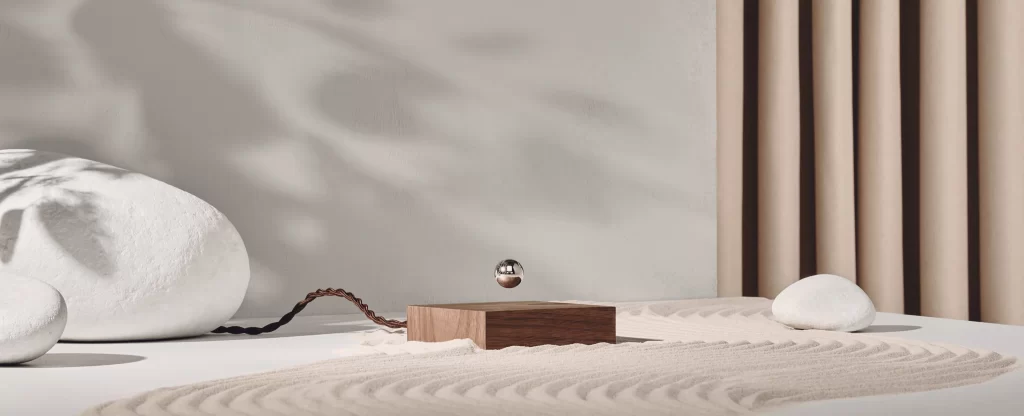
The Buda Ball is different. From the first image I saw—a gleaming sphere, levitating effortlessly above a minimalist wooden base—it stood out. It doesn’t compete for your attention with gimmicks or flashing lights. Instead, it invites you to slow down, breathe, and engage with it on its own terms. No apps, no screens, just the quiet marvel of magnetic suspension. It’s not just a gadget; it’s an antidote to the constant noise of modern life, offering a moment of quiet focus without the need for distraction.
More than just a pretty desk accessory, it promised something deeper: the chance to slow down, focus, and rediscover the joy of patience. Could this little sphere really deliver on such lofty promises? After years of testing mindfulness tools, I had to find out.
Technical: The Science of Suspension
At the heart of the Buda Ball is a little slice of scientific magic: magnetic levitation technology. Now, levitation might sound like something reserved for magicians or sci-fi movies, but here it’s presented as a surprisingly approachable bit of engineering. The Buda Ball consists of two main components: the base and the orb.
The base is crafted from high-quality wood and comes in a choice of oak or walnut, giving it a natural, organic aesthetic that’s warm and inviting. It’s sleek and minimalist—just a flat, square platform with a subtle circular indentation where the ball hovers. Despite its simplicity, the base houses some pretty impressive tech: carefully calibrated magnets and sensors that work together to suspend the orb in mid-air.
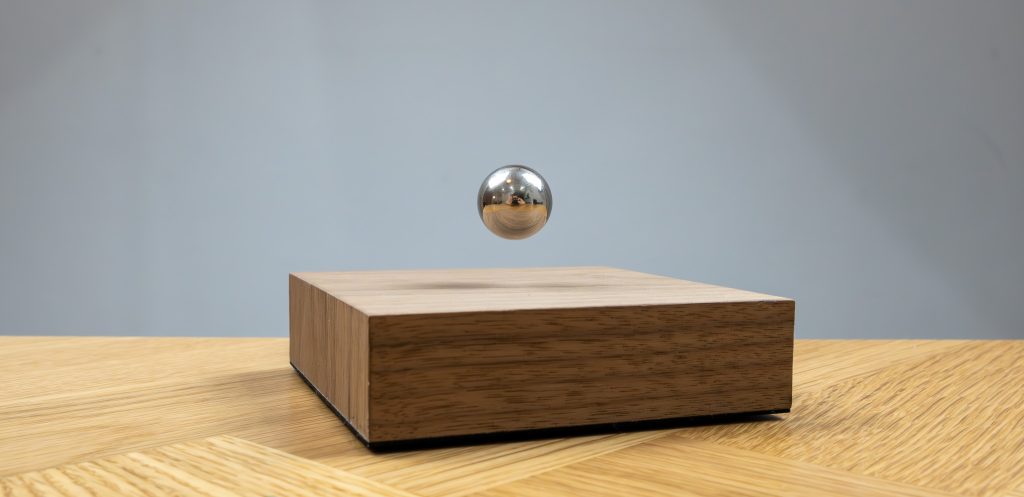
The orb itself is a small metal sphere, just two centimetres in diameter. It’s perfectly weighted and available in either black or silver, both of which add a modern touch that contrasts beautifully with the wooden base. Together, the two elements create a harmonious blend of natural and industrial design.
Setting up the Buda Ball is where science meets patience. To achieve levitation, you need to hold the sphere above the base, carefully align it within the magnetic field, and slowly release it. The first time you try this, it feels almost impossible. The sphere snaps to the base or wobbles precariously before clunking down. But after a few tries, you’ll start to get a feel for it—like balancing a coin on its edge or catching a firefly in a jar. When the ball finally hovers, it’s a genuinely satisfying moment, almost like solving a puzzle or completing a tricky yoga pose.
The levitation itself is silent and smooth, with the ball gently rotating in place. Watching it spin feels almost meditative, like staring at ocean waves or a candle flame. But be warned: the magic only lasts as long as the base is plugged in. Unplug the power, and the ball loses its float. Thankfully, the magnets in the base catch it securely, so there’s no risk of it rolling off the table.
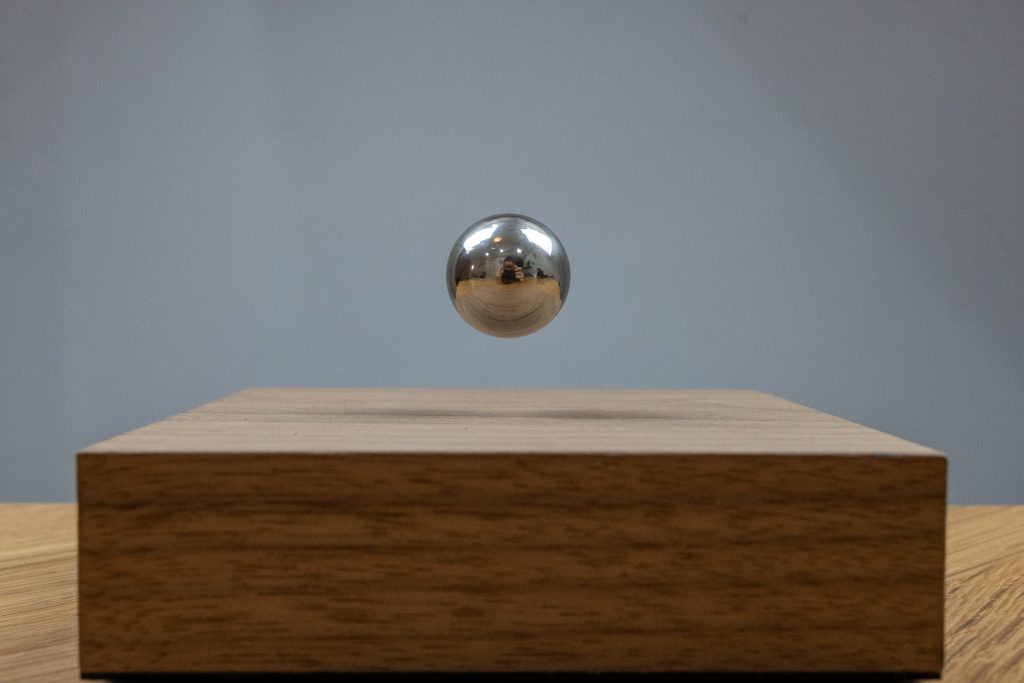
At first glance, you might wonder why a simple sphere and base need a power source. After all, aren’t magnets enough to make objects levitate? Well, the FLYTE Buda Ball isn’t your average desk toy. While magnets do provide the core levitation, the secret sauce lies in the electromagnets and precise electronic systems within the base. These components create the stable, controlled magnetic field necessary to keep the ball perfectly suspended in mid-air.
Without power, the ball wouldn’t float—it would simply fall to the surface like any other object. That’s because traditional magnets, while strong, don’t have the dynamic precision needed to counteract gravity with such grace. The electromagnets in the Buda Ball constantly adjust their strength to ensure the orb remains stable, even if the table is bumped or the environment shifts slightly. This intricate dance of magnetic forces and fine-tuned electronics is why the device needs to be plugged in via the included power adapter.
The adapter itself is small and unobtrusive, and once connected, it powers both the levitation system and the subtle ambient light on the base. The low energy consumption means you can leave the Buda Ball floating all day without worrying about power bills. It’s a fascinating marriage of art and science, where engineering quietly hums in the background to create a truly mesmerising experience.
Experience: From Frustration to Zen
Unboxing the Buda Ball was my first indication that this wasn’t just another desk toy. The packaging is thoughtful and deliberate, designed to make the whole experience feel special. Each component—the base, the sphere, the power adapter—is nestled neatly in a sturdy, matte-black box. It’s the kind of packaging you almost don’t want to throw away.
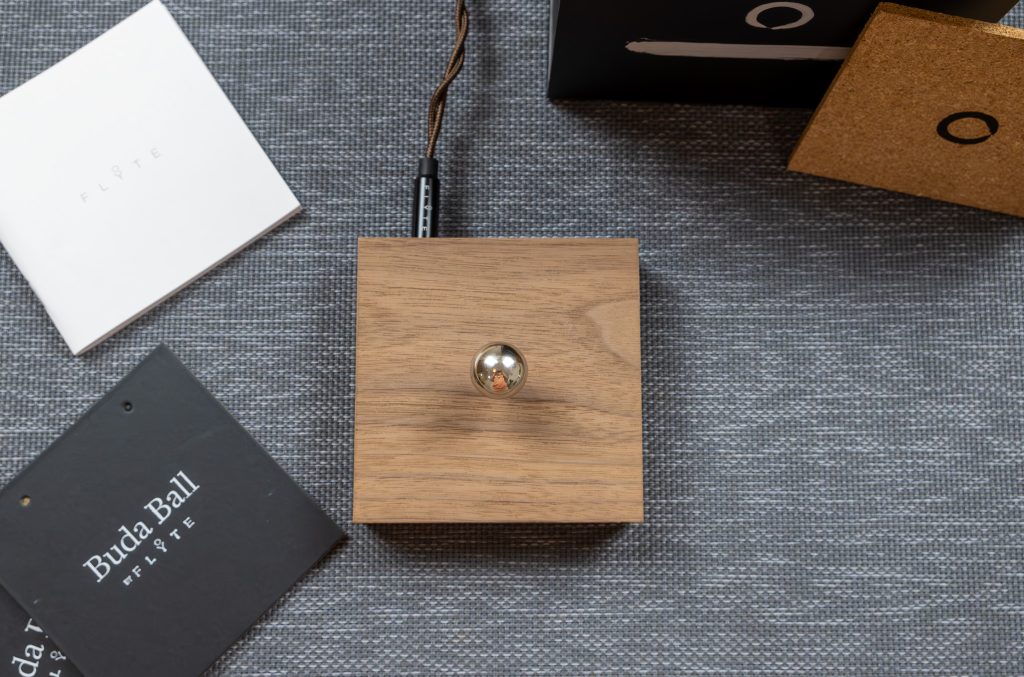
Then came the moment of truth: making the ball levitate. Now, I’ll admit, my first attempts weren’t exactly graceful. I fumbled, cursed under my breath, and even considered looking up a tutorial. But as I tried again, something interesting happened. I stopped rushing. I took a deep breath, steadied my hands, and focused on the task at hand. And when the ball finally floated, it felt like a tiny victory—one that came with a surprising sense of calm.
Once the sphere was hovering, I couldn’t stop watching it. There’s something almost hypnotic about the way it spins, seemingly untethered from the laws of gravity. I placed it on my desk, where it became an instant conversation starter. Coworkers and friends were equally fascinated, leaning in to get a closer look and trying (with varying degrees of success) to make it levitate themselves.
The tactile experience of handling the ball is part of the charm. It’s cool to the touch, with a satisfying weight that contrasts nicely with the smooth, warm wood of the base. Resetting the levitation becomes a kind of ritual—an opportunity to pause, breathe, and focus.
However, it’s worth noting that the learning curve might frustrate some users. A few friends who tried it quickly gave up, while others found the challenge oddly addictive. The Buda Ball doesn’t hand you instant gratification, and that’s part of what makes it special. It demands your attention and rewards your patience—a rare quality in today’s world of quick fixes and instant results.
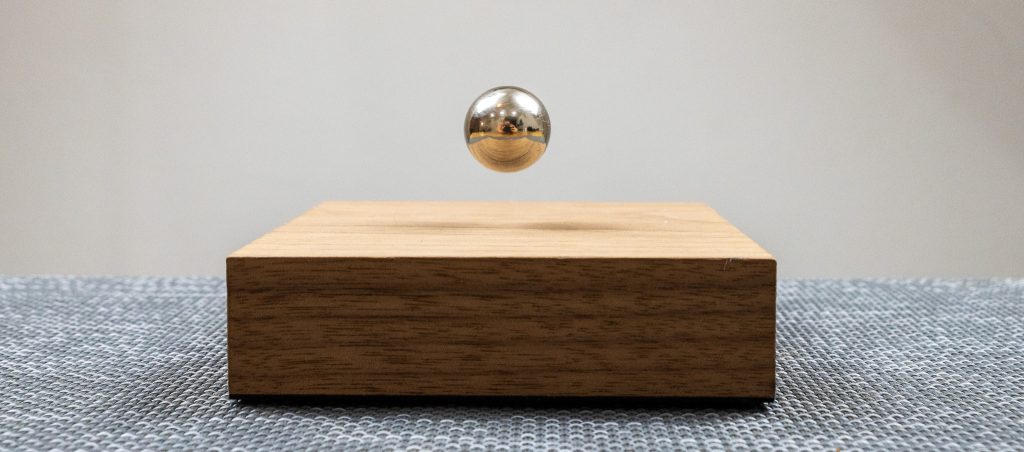
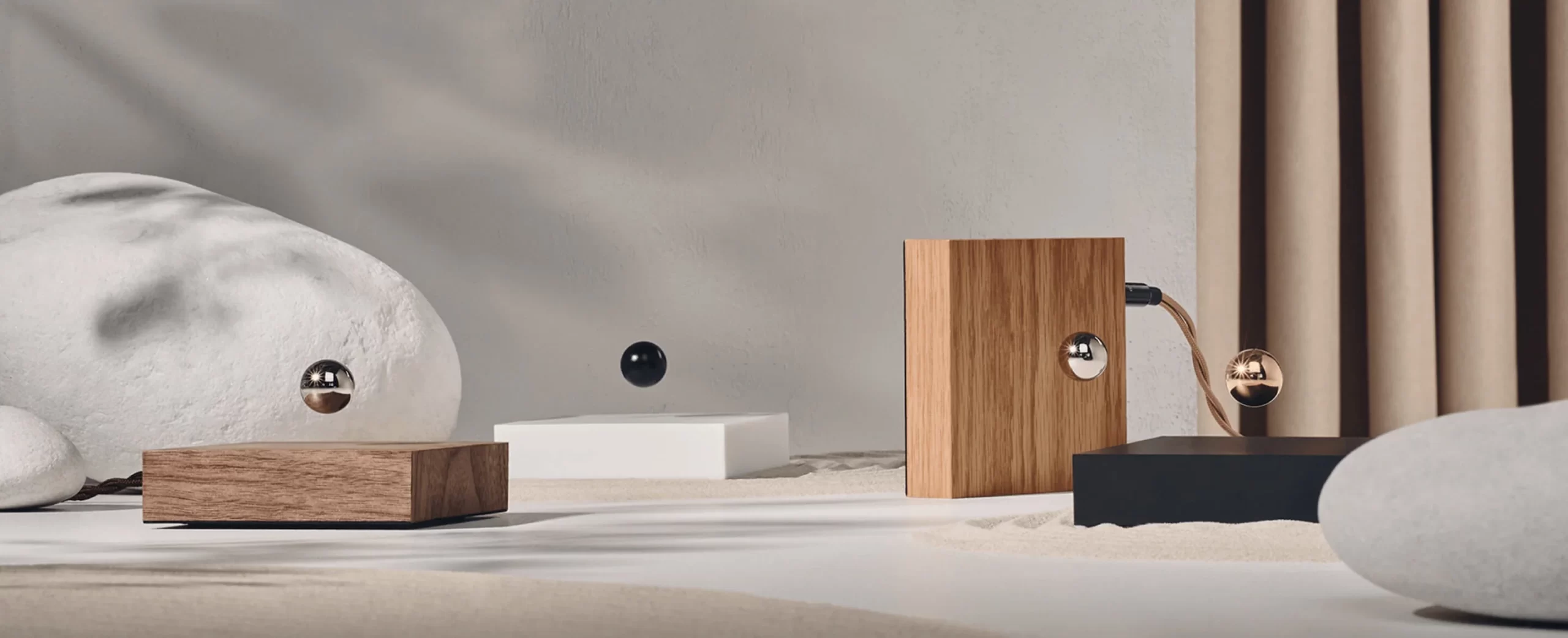
Beyond its technical prowess, the Buda Ball is undeniably beautiful. Its minimalist design fits seamlessly into any environment, whether it’s a modern office, a cosy living room, or even a meditation corner. The wooden base adds a touch of warmth, while the sleek metallic sphere lends a contemporary edge. Together, they create a visual harmony that’s both calming and striking.
What really sets the Buda Ball apart, though, is its ability to transform a space. Place it on your desk, and it becomes a focal point, drawing your eye and inviting you to pause. It’s not just an object—it’s a presence, one that adds a sense of calm and curiosity to its surroundings.
Conclusion: More Than a Desk Toy
So, is the FLYTE Buda Ball worth it? That depends on what you’re looking for. If you’re after instant gratification or a gadget that works without any effort, it might not be the perfect fit. But if you’re seeking something deeper—something that nudges you to slow down, breathe, and appreciate the present moment—the Buda Ball stands head and shoulders above the rest.
For those of us juggling deadlines, endless notifications, and the general chaos of modern life, this isn’t just a levitating orb. It’s a quiet rebellion against the noise—a reminder that mindfulness doesn’t always have to come in the form of an app or a meditation routine. Unlike tools that feel like they’re competing for your attention, the Buda Ball gently commands it, inviting you to pause and find joy in the simplest of acts: watching it float.
After experiencing its calming presence in my office, I found myself considering a second one for my home workspace. It feels like a natural fit there too—a subtle yet profound way to shift gears between work and personal time. Over the years, I’ve tried my fair share of mindfulness tools, from stress balls to aromatherapy diffusers, but none have struck the balance of functionality and artistry like this one. The Buda Ball doesn’t just sit there; it becomes part of your environment, your routine, your moments of calm.
Yes, it has its quirks. The reliance on a power source and the learning curve during setup might give some pause, but these only add to its charm. In a world that demands so much from us, this little ball quietly offers something back: a sense of wonder, a moment of stillness, and a gentle nudge to be present.