






Chiang Mai’s Best Boutique Hotels, Honestly Reviewed

Chiang Mai has become shorthand for “creative hub” in northern Thailand, but on the ground the choice of where to stay is far less simple than the Instagram version suggests. The city’s best small hotels interpret Lanna culture, mountain landscape, and contemporary design in very different ways, and separating thoughtful hospitality from themed décor takes real work.
Over several visits, we focused on intimate properties that feel rooted in place: restored teak houses and contemporary compounds that open to courtyards, riverbanks, or jungle rather than generic lobbies. We paid close attention to how each handles service philosophy, relationship to local communities, and food programs that respect northern Thai ingredients instead of smoothing them into international hotel comfort. Some will suit design-obsessed couples, others ethically minded wildlife travelers or guests who want quiet within walking distance of old-city temples.
What follows are the stays that justify their reputations through substance, not just style.
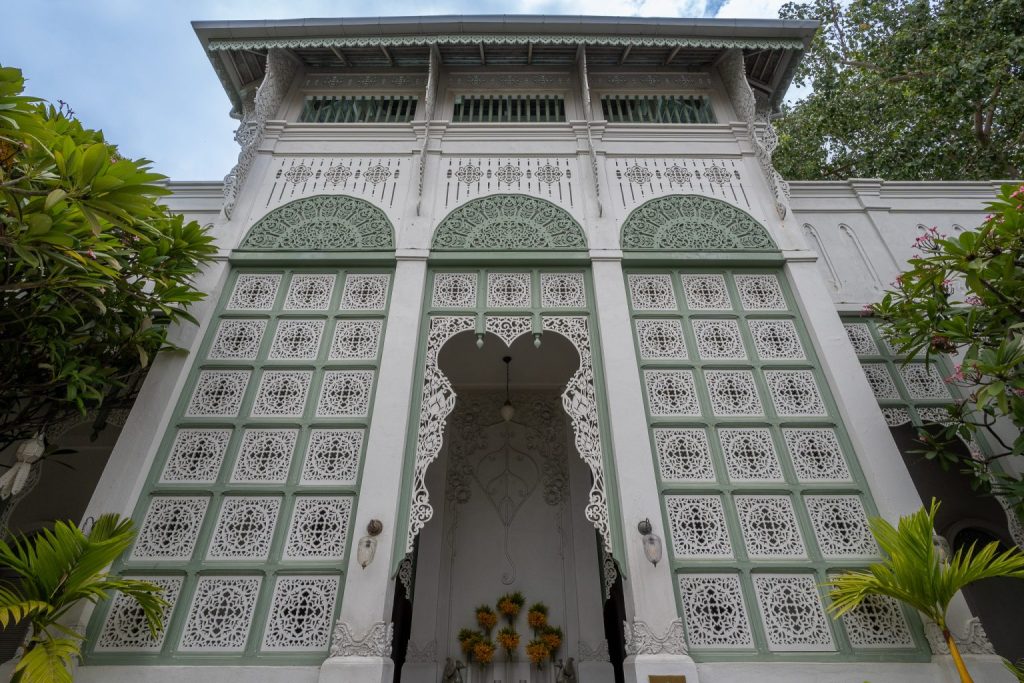
- Best For: Design-conscious business travelers, honeymooners, short bleisure stays, anyone who wants a private pool without leaving Chiang Mai’s old town walls.
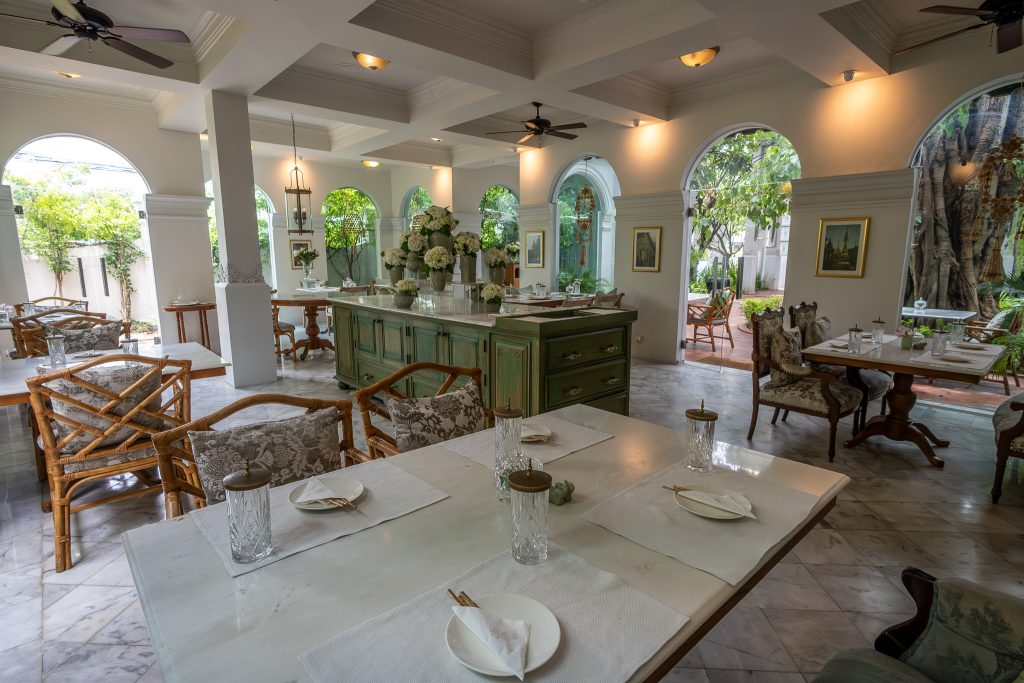
- Feel: Lush, quiet, and almost residential, with 1920s Lanna Colonial bones wrapped in tropical greenery and cool white interiors.
- What Stands Out: Top-floor glass pool suites that let you “swim in the air,” 14 pools across about 30 rooms, high-comfort bedding, Inside Forest vertical garden, warm family-style service.
- What We Don’t Like: Pool suites lean aesthetic over ergonomic for working; some private pools feel smaller and more structural than photos suggest.
- Why Choose The Inside House: For a centrally located, photogenic old city base where private pools and thoughtful service sit on top of solid, business-usable fundamentals.
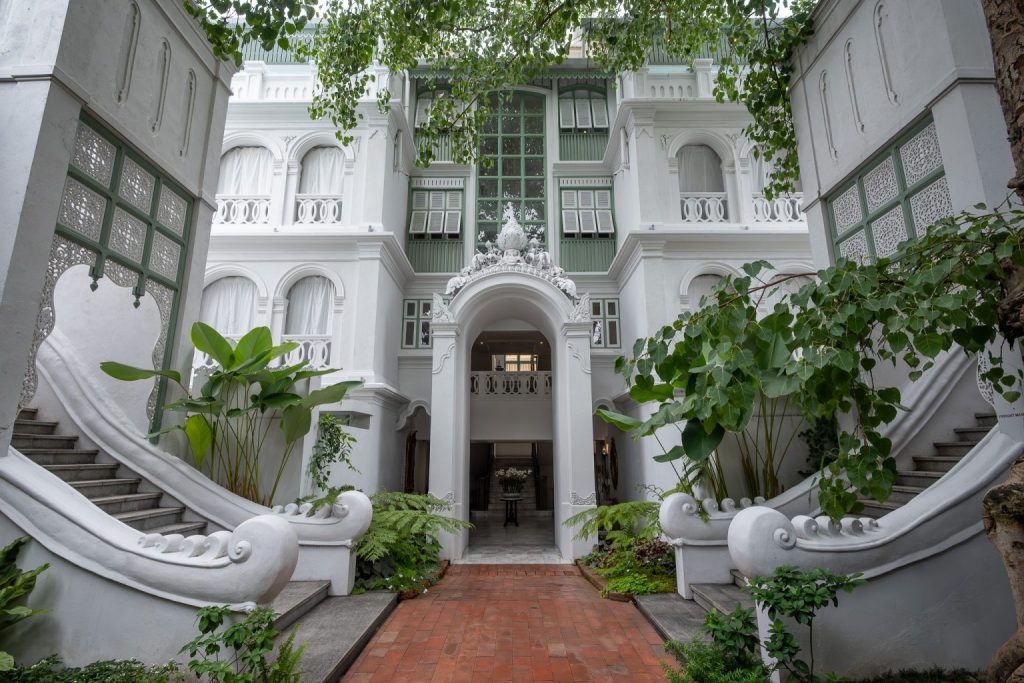
Stepping out of a Grab into Chiang Mai’s old city, you feel the contrast immediately: horns, scooters, temple bells, and the low buzz of cafés all packed inside the square of the ancient moat. Finding somewhere that cuts that noise without cutting you off from it is the real trick. The Inside House manages that balance on Samlarn Road, well inside the historical walls, a short taxi ride from the airport and an easy walk to Buak Hard Public Park, Wat Phra Singh, and the weekend walking street. Pulling up mid-afternoon, the traffic outside was busy, but once I stepped past the gate, the noise dropped away. White Lanna Colonial façades frame a courtyard thick with tropical green, shaded by a tall Bodhi tree and the property’s signature vertical garden—the so-called Inside Forest—rising many meters high with Cat Claw and Malabar flowers.
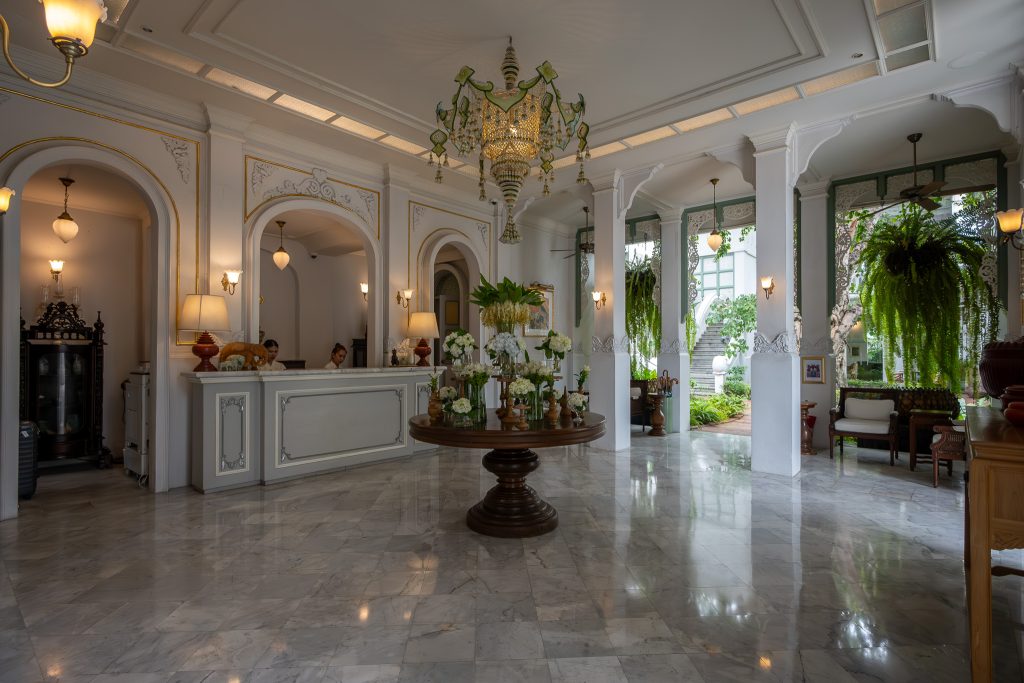
Light in the lobby runs soft and indirect, bouncing off pale walls and polished floors rather than glaring overhead. Staff greeted me with a welcome drink and a calm, almost family-like warmth that matched the marketing line about a “warm private place.” Check-in was quick, helped by a 24-hour front desk that clearly knows its systems. Within minutes my bags had disappeared toward the elevator and the focus shifted from the city outside to the vertical greenery and water sounds within.
Old City Hideaway That Actually Feels Hidden
Rooms at The Inside House all stick to a neutral palette: white walls, soft fabrics, pale wood, and traditional Thai art pieces made by local artists rather than generic prints. In my top-floor Glass Pool Suite, the drama sat on one side of the room: a glass-walled private pool running along the balcony, angled so you see sky and old city rooflines while you “swim in the air.” The pool felt smaller than the photos implied, and some mechanical elements were visible at the edges, but the effect is still strong, especially when late-afternoon light spills through the glass and across the bedroom.
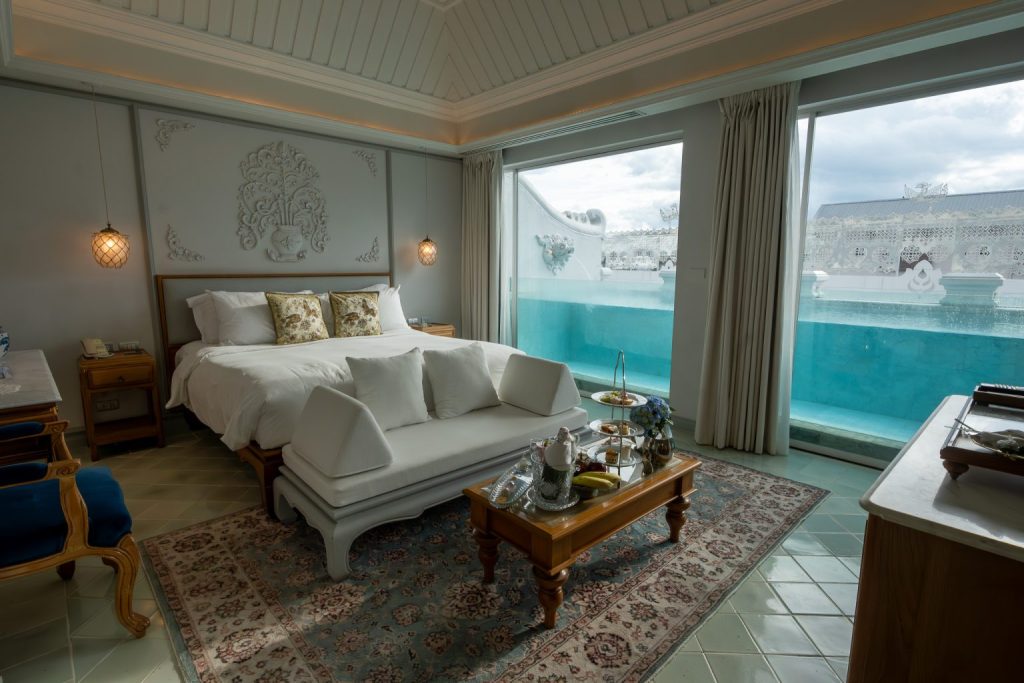
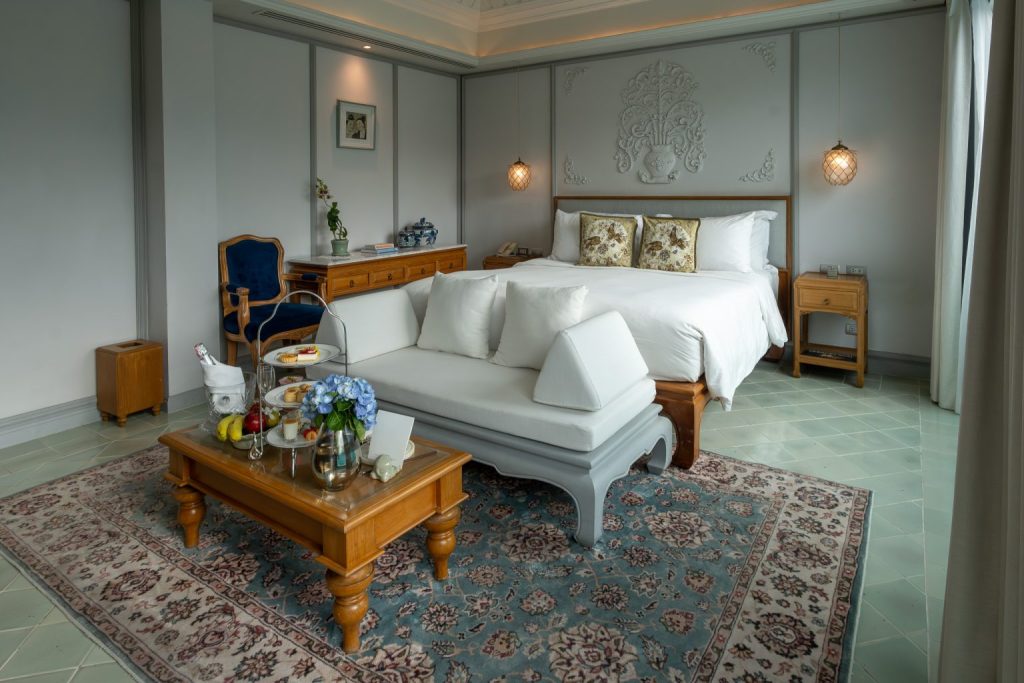
For a business traveler, the immediate test is the workspace. My suite had a proper desk-height surface with a comfortable chair and enough depth for a laptop and documents. Power outlets sat both at the desk and on each side of the king bed, paired with light switches that took a minute to decode. Wi-Fi was complimentary and stable across the room; a speed test landed solidly in the work-friendly range, and a video call from the desk stayed smooth with no dropouts. Blackout curtains closed tight over the glass wall, helping sleep quality after a late night on email.
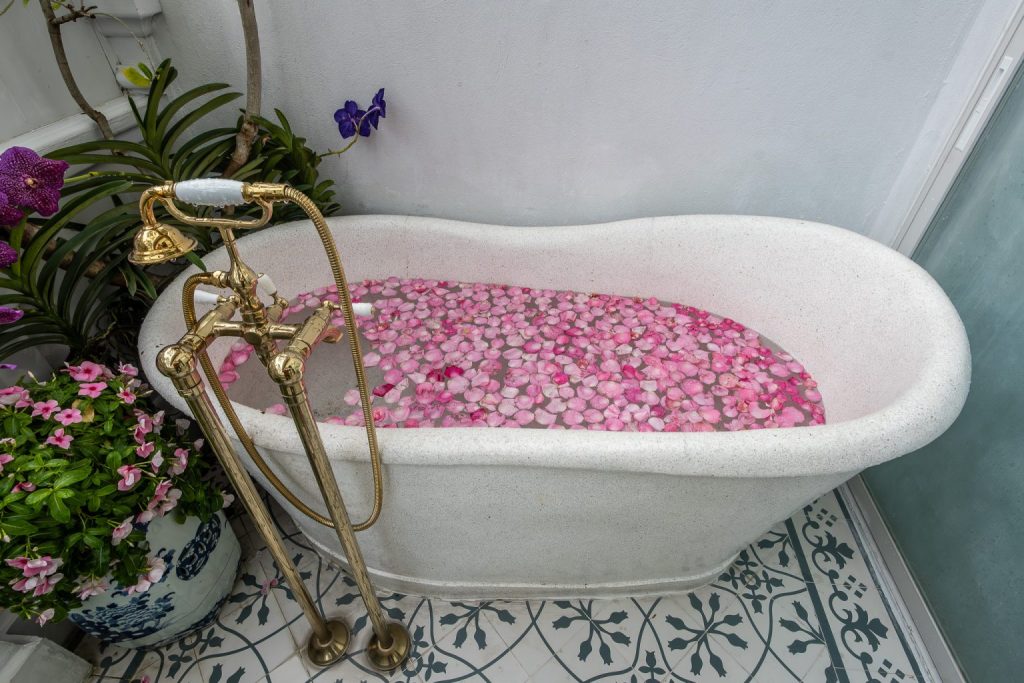
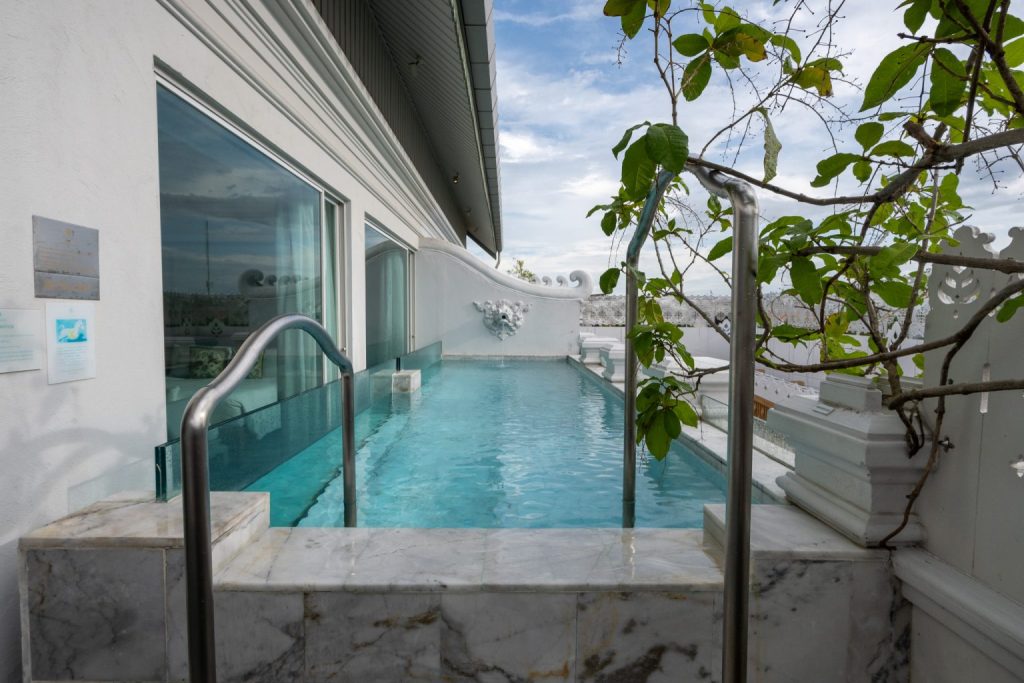
The bathroom leaned indulgent: an outdoor bathtub on the balcony, an indoor shower with good pressure, and a Victorian-style tub in some categories. Using the outdoor tub one evening, I could see pagoda tops glowing across the old city. Beautiful, but not exactly conducive to Excel. That balance defines the room: visually striking, functionally adequate for work, clearly optimized for leisure.
Sky Pools, Soft Sheets, Real Desks
Mornings started with Inside House’s breakfast, which several booking sites already flag as exceptional. I went down just after 7 a.m., early by resort standards but normal for client calls, and the restaurant was fully set up. Buffet and à la carte leaned into both Thai and Western: rice dishes, local flavors, eggs, fruit, pastries. Coffee quality passed my usual “consultant caffeine” bar, and staff moved fast enough that I could eat properly and still be back at the desk within 30 minutes. On another day, a quick room service order arrived within a reasonable window, helpful when you’re chained to back-to-back calls.
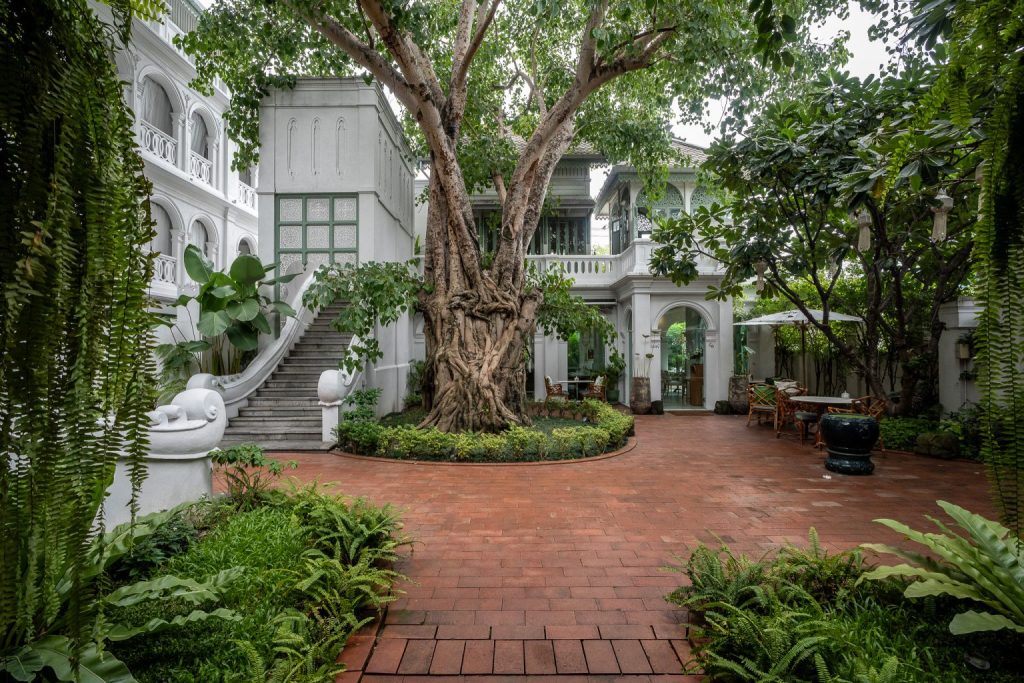
Location is the property’s real operational strength. From the front gate I could walk to Wat Phra Singh and Chedi Luang between calls, then be back on Wi-Fi without burning half a day in transit. Chiang Mai Gate and the weekend walking street sit within walking distance, and rideshares to the airport or train station stayed short and inexpensive. Despite that centrality, the hotel remained quiet; from the top-floor suite, old city sounds faded into background hum, and the high ceilings kept the room feeling calm rather than cramped.
The spa, Inside Spa, and the main outdoor pool with sun terrace lean more leisure than business, but they matter for longer trips when you need to reset. I noticed couples and families around the pools and in the garden, with some guests taking afternoon tea either by the communal pool or inside their suites, a ritual that underlined how much this place caters to romantic stays first, laptop life second.
The Business Case for a Boutique Pool Hotel
Measured as a boutique luxury hotel, The Inside House hits its targets: five-star positioning, about 30 rooms, 14 swimming pools across categories, and consistently high guest scores around the 9.5/10 mark on aggregators. The value proposition rests heavily on those private pool suites inside the old city walls, something you won’t find elsewhere in this specific neighborhood. For honeymooners, design fans, and social media-driven travelers, the ROI is obvious: photogenic architecture, thoughtful Thai craftsmanship, generous in-room amenities, and staff who remember preferences and help with tours, transport, and small details like umbrellas and turn-down snacks.
From a business-travel lens, the calculus is more nuanced. Wi-Fi is reliable, rooms are quiet and comfortable, blackout curtains work, and there’s a real desk plus a business center with printing and basic services. Early breakfast is ready on time, airport transfers are straightforward, and tour/taxi assistance is efficient. The trade-off is that pool suites prioritize spectacle over ergonomics: you won’t get the expansive, task-focused work zone you might find in a pure business hotel, and families with younger children may need to consider pool safety and layout.
For most working travelers, I’d treat The Inside House as a high-impact, short-stay base: one to three nights where meetings in or near the old city pair with a private pool you’ll actually use. If you need long days of spreadsheet work or large-scale meetings, a more conventional business property might serve better. If your priority is a central Chiang Mai address that feels like a peaceful, well-run residence with strong service and serious visual appeal, this boutique delivers.
- Best For: Culturally curious couples, design-focused solo travelers, small families who want Old Town Chiang Mai on foot rather than a resort bubble.
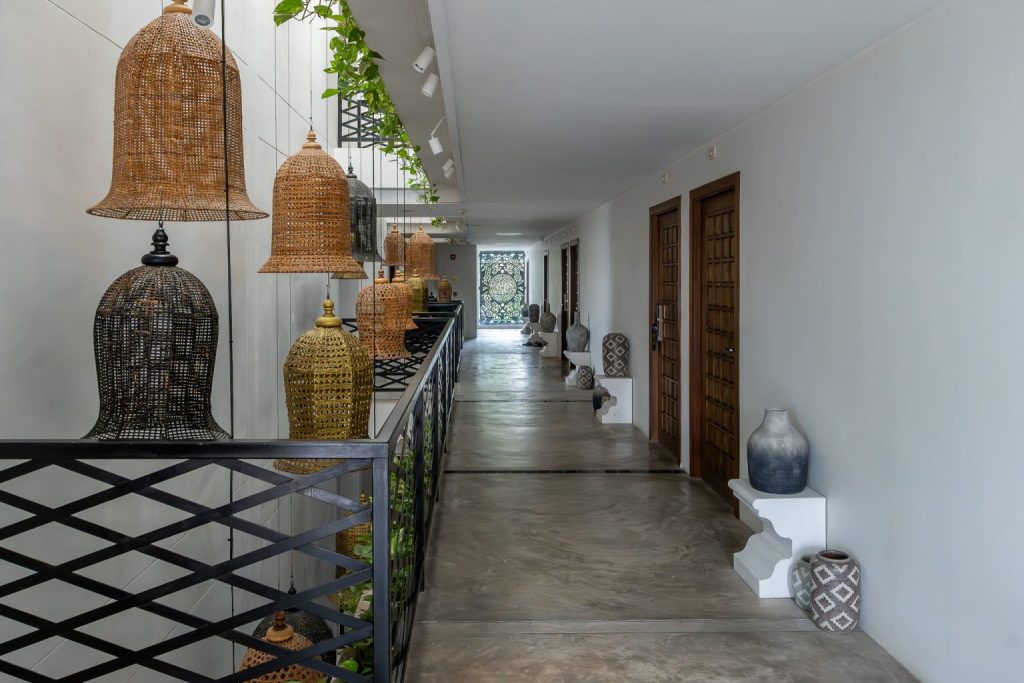
- Feel: Intimate boutique hideaway with contemporary Lanna lines, lush greenery, and a quietly theatrical sense of northern Thai ritual.
- What Stands Out: Purna-Ghata–inspired design story, symbolic Lanna creatures woven into décor, Longkao’s farmer-sourced northern cooking, Thuub Bar’s narrative cocktails, garden-facing rooms and temperature-controlled pool.
- What We Don’t Like: Some entry-category rooms are compact at 22 sqm, Thuub Bar seating is limited and needs planning, and facilities are those of a refined 4-star boutique rather than a full resort.
- Why Choose THEE Vijit Lanna: For an Old Town stay where Lanna storytelling feels considered, not kitsch, and local food and drink sit at the center of the stay rather than on its fringes.
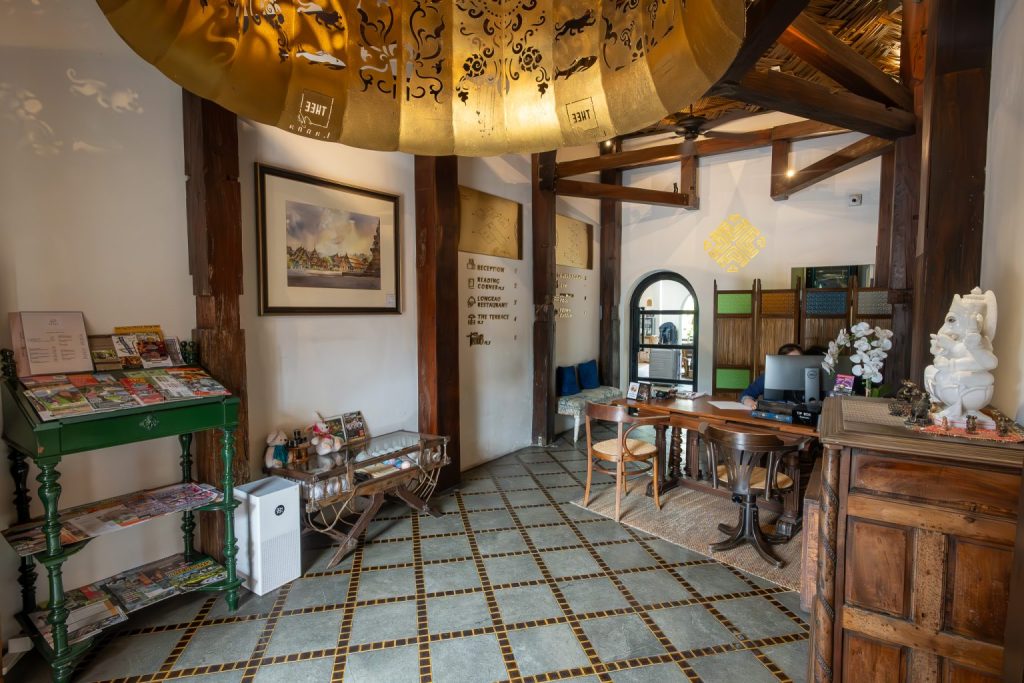
Slip a street or two away from Chiang Mai’s selfie-heavy corners and the city softens: laundry flaps over narrow sois, old shophouses trade in rice and motorbike parts, and the Old Town feels less like a set and more like somewhere people actually live. THEE Vijit Lanna sits in this Chang Moi pocket on Chiyapoom Road, a short walk from Tha Pae Gate and within easy reach of the temples that define this former Lanna capital. When I arrived mid-afternoon and stepped from the taxi into the courtyard, the greenery and low-slung buildings immediately shifted the mood. It felt as if someone had thought carefully about how to translate Lanna heritage into contemporary form rather than pastiche. The hotel’s guiding symbol, the Purna Ghata, appears in inverted bell and pot motifs as a quiet emblem of abundance instead of a didactic display. Reading about the four legendary creatures on a lobby card, I started spotting them in small graphic details and artworks, used as subtle punctuation rather than theme-park props. The overall feeling is intimate, shaded, and distinctly northern Thai without sliding into caricature.
Staying Small, Feeling Considered
Rooms range from compact 22 square meter Deluxe to suites with private plunge pools, all framed as “where culture meets comfort in the heart of old town Chiang Mai.” My room fell in the 29 to 30 square meter band and felt thoughtfully scaled, with enough circulation space without losing the cocoon effect created by warm wood, northern Thai textiles, and Lanna-inflected patterns.
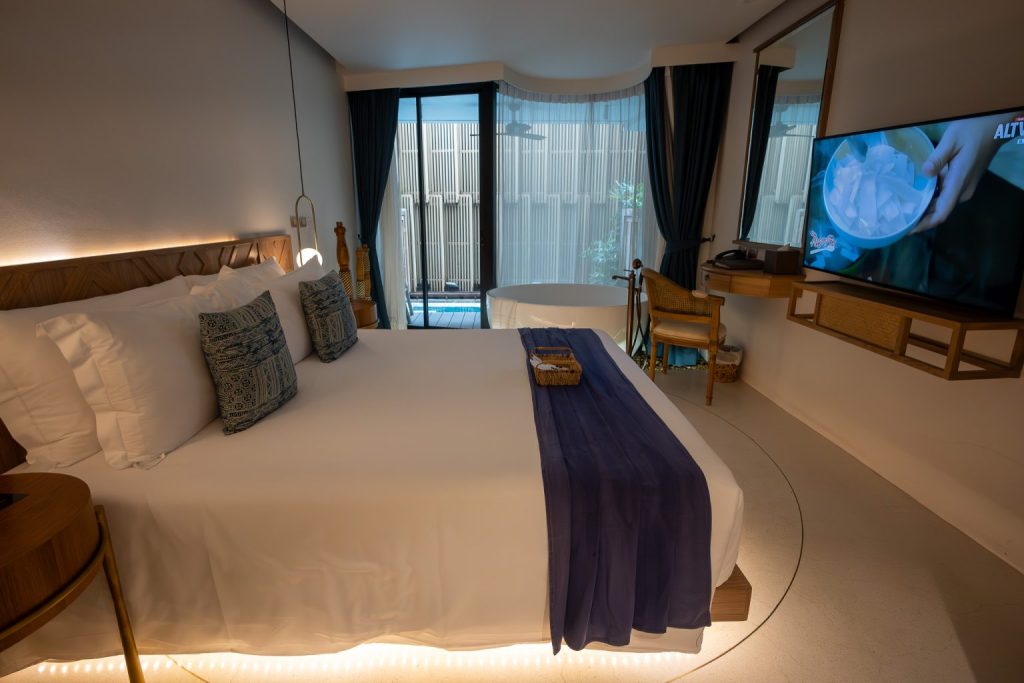
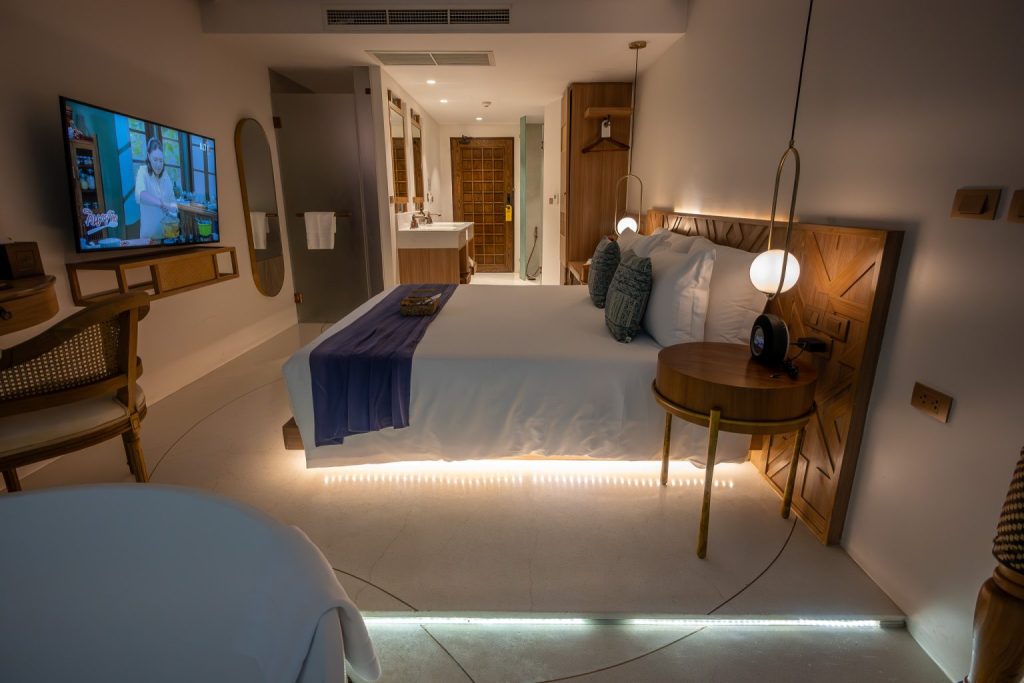
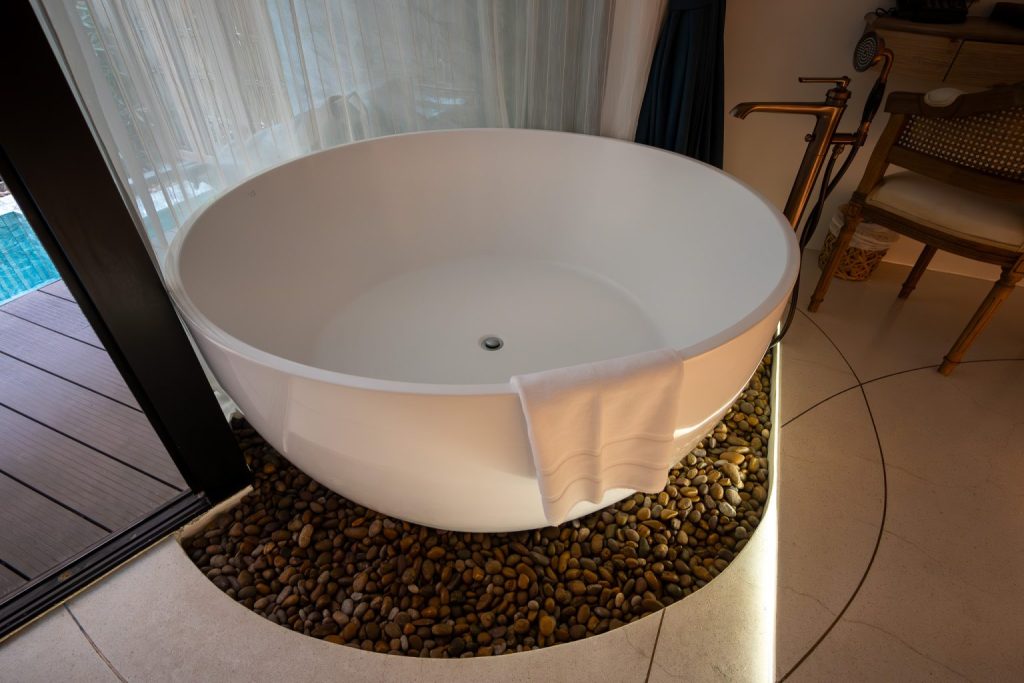
I tend to be fussy about beds, and here the premium bedding did live up to the hotel’s almost mischievous “soul sucking” description; combined with spa grade amenities, it anchored the stay in tactile comfort rather than pure aesthetics. Air conditioning and free Wi Fi performed exactly as a modern traveler expects, while practical touches such as a desk, coffee machine, refrigerator, and in-room safe made the space functional, not just photogenic. Some categories add balconies with garden or pool views, and suites layer on semi-outdoor bathtubs or plunge pools that encourage slow afternoons after temple visits. Staff at the 24 hour front desk lean into the Thai strength of warm, unforced hospitality, and when I asked about day trips, the tour desk handled arrangements with calm efficiency that felt reassuringly professional rather than scripted.
From Rice Barn Mornings to Story-Drink Nights
Location is a central part of the hotel’s value. From the front door, Tha Pae Gate is an easy stroll, and temples such as Wat Chiang Man or the markets closer to the Night Bazaar fall into a comfortable walking or short ride radius. My mornings began at Longkao Restaurant, a contemporary homage to the traditional Lhong Kao rice barn. The dining hall is open and calm at breakfast, with light filtering across wood and grain inspired textures while staff move quietly between tables. The à la carte format balances American favorites with warm local dishes, pastries, pancakes and fruit, and I consistently gravitated toward the northern leaning plates, helped by the knowledge that vegetables and herbs come from local farmers using natural methods. Menus reference homemade recipes passed through families or collected from journeys around Thailand, and the food feels like Thai home cooking translated for a small hotel rather than generic international fare. Evenings draw guests toward Thuub Bar, a compact, reservation-wise space framed as a “Lost Village Cocktail – Bar Time Story.” Local bartenders work with northern ingredients, spinning narratives through drinks like Khao Lang, built on three kinds of rice, or Thong Suk, a durian touched golden ode to abundance. Limited seating means you need to plan, but the reward is an atmosphere closer to an experimental neighborhood bar than a typical hotel lounge.
Who It Actually Suits, and Why It Works
THEE Vijit Lanna is not a sprawling luxury resort, and it does not pretend to be. Facilities align with a polished 4 star boutique: a temperature controlled outdoor pool that guests genuinely use to decompress after sightseeing, a modest gym, gardens and terraces that bring the Lanna greenery narrative to life. I found the pool especially welcome after hot walks between temples, and the compact scale meant I often recognized fellow guests from breakfast.
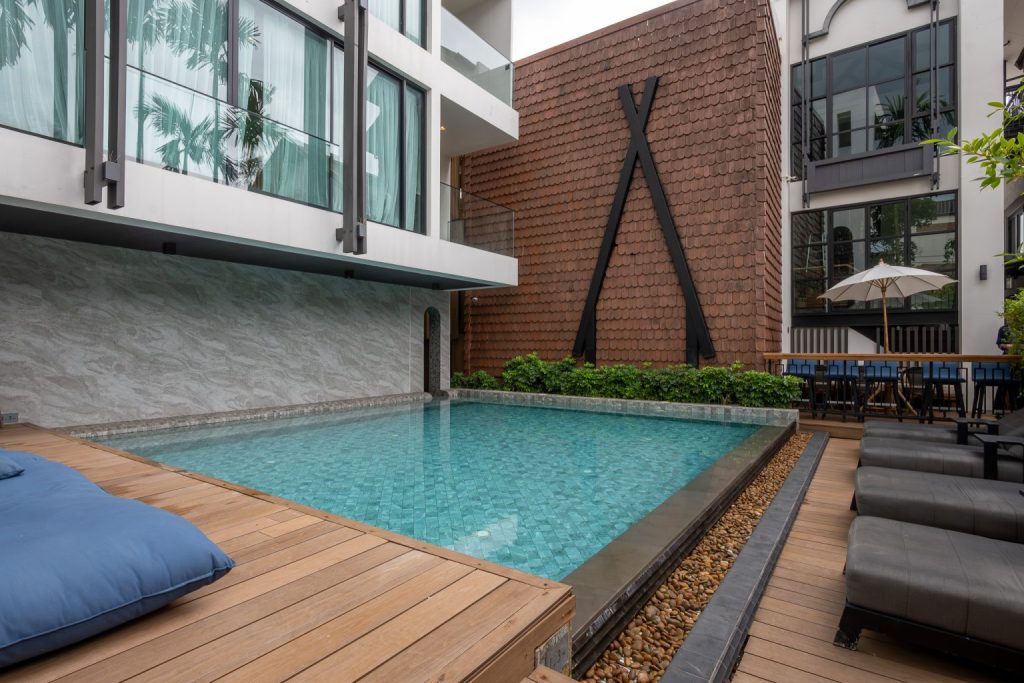
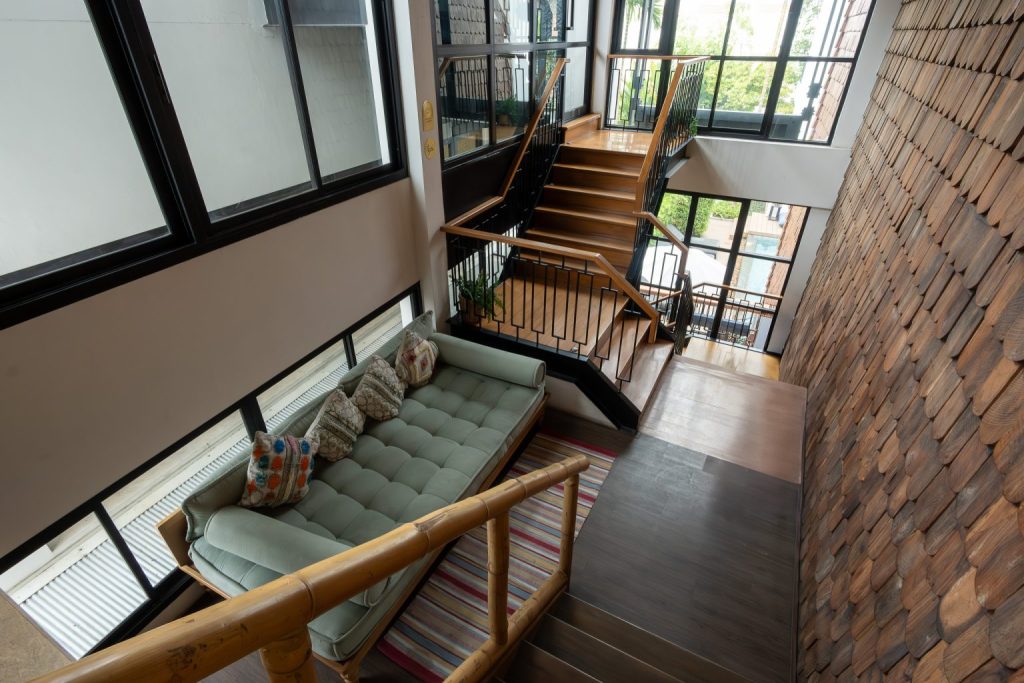
Some rooms, especially the 22 square meter Deluxe, will feel snug to travelers accustomed to large international chains, and those wanting grand lobby theatrics or extensive spa complexes should look elsewhere. Yet aggregated review scores around 9.3 out of 10, with particular strength in cleanliness, comfort, staff, and value, reflect something important. The hotel understands its scale and invests in atmosphere, bedding, and service rather than hollow gestures. Couples and small families clearly respond, with location ratings from these groups consistently high. In a central Chiang Mai market where many “Lanna style” properties slide into costume, this one reads as considered and context aware, from Purna Ghata symbolism to farmer linked cuisine. For culturally minded travelers who want Old Town access, thoughtful design, and an authentic northern culinary lens at a fair 4 star price point, THEE Vijit Lanna is a persuasive choice.
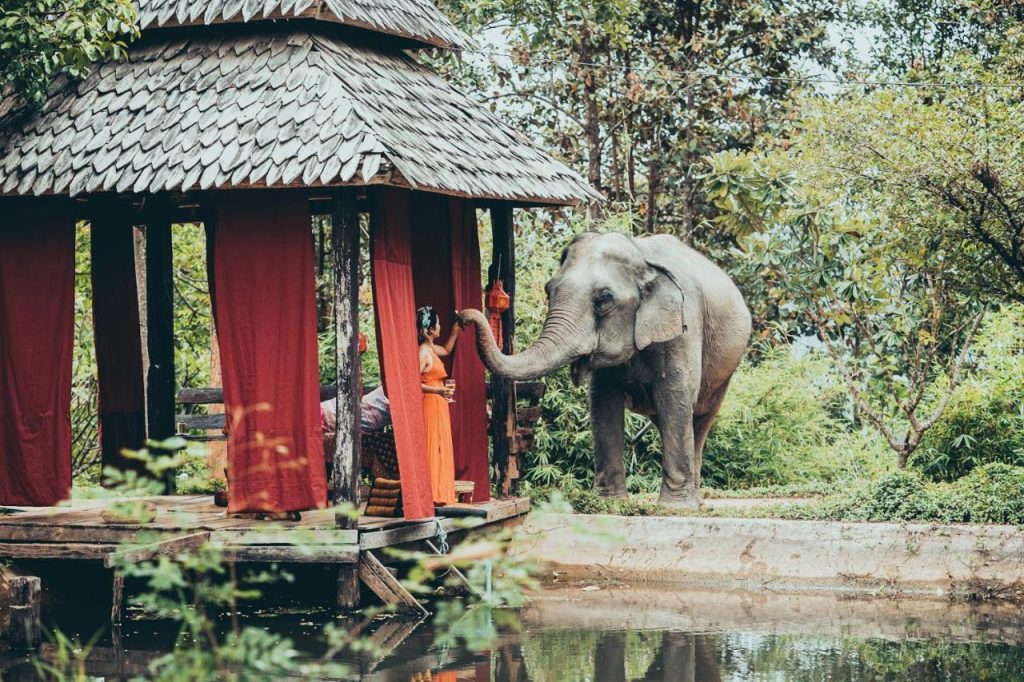
- Best For: Eco-conscious travelers who care more about ethical elephant encounters, jungle quiet, and community impact than high-end polish.
- Feel: Rustic bamboo retreat in dense green hills, with river sounds, elephant calls, and Karen village life forming the backdrop.
- What Stands Out: Ethical elephant care, indigenous-led treks, bamboo bungalows with open-air showers, all proceeds directed to an anti-trafficking NGO.
- What We Don’t Like: Firm beds and jungle noise can be challenging, and the hilly, rustic layout isn’t ideal for anyone with mobility issues.
- Why Choose Chai Lai Orchid: To live beside rescued elephants, support indigenous staff, and know that every baht goes back into local communities and anti-trafficking work.
By the time you’ve left Chiang Mai’s traffic for rice paddies, roadside shrines, and low, green hills, your brain has already started to downshift. The hour-plus drive to Mae Sapok feels less like a transfer and more like a gentle uncoupling from city pace. The property spreads across three small clusters of bungalows about a three-minute drive apart, linked by a free shuttle and paths that pass water buffalo, chickens, and semi-wild pigs. Walking between areas in late afternoon, with the air cooling and the river audible below, I felt closer to moving through a village than through a hotel. The bamboo-and-thatch structures sit lightly on the landscape, framed by dense tropical green and views toward the Mae Sapok valley and the road that leads on to Doi Inthanon, Thailand’s highest mountain. Chai Lai positions itself not as a conventional retreat but as an ethical elephant hotel and indigenous cultural hub, and the setting supports that ambition.
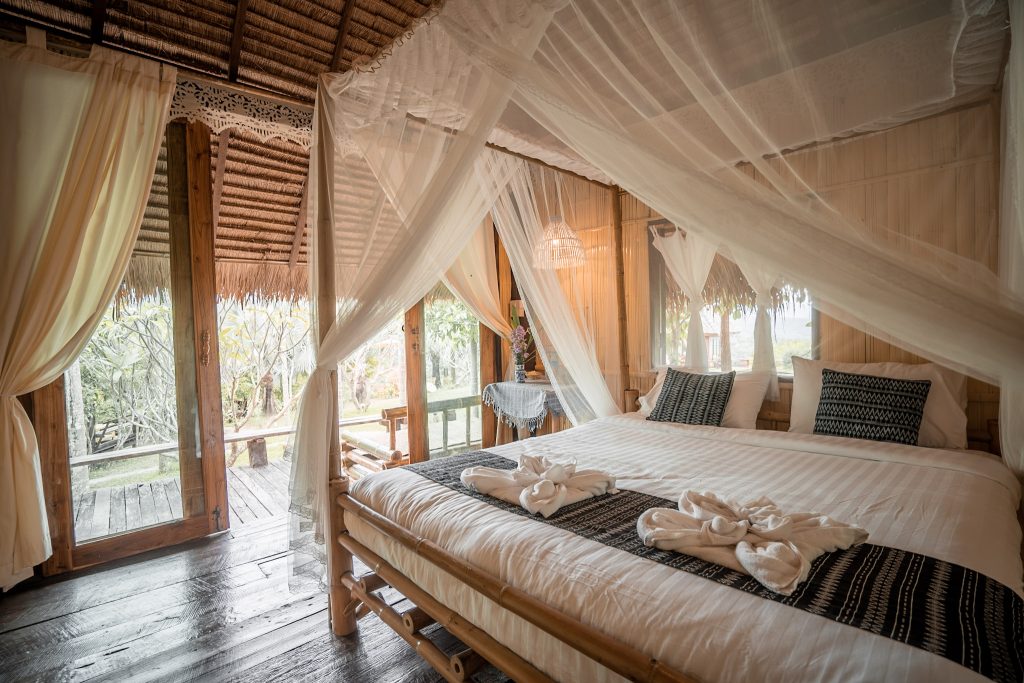
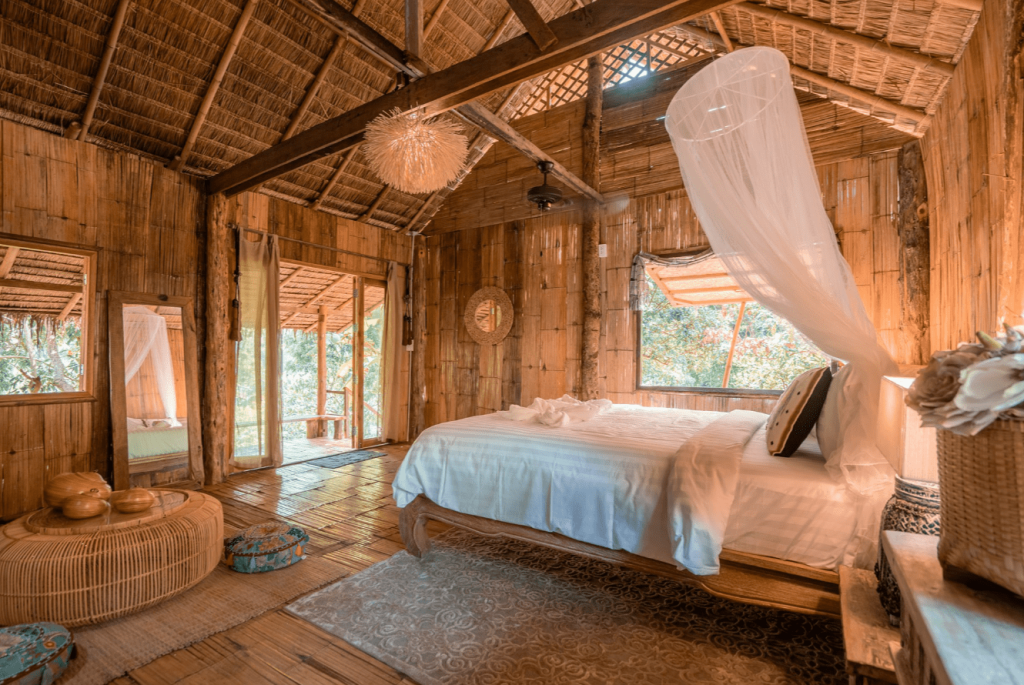
The bamboo bungalows are glamping in the literal sense: simple, spacious huts designed to keep you close to the elements rather than shut them out. Inside my mountain-view bungalow, handmade bamboo furniture had that slightly irregular texture that comes from being worked by hand instead of machine, and traditional hand-woven textiles added color and weight to the otherwise pale, natural palette. The thatched roof softened the daylight, so the room glowed amber in the late afternoon rather than feeling dark. With the ensuite open-air shower at the back, I washed under sky, with smooth concrete underfoot and jungle sounds instead of extractor fans. The private balcony quickly became my main living room; sitting there before sunrise, watching the valley light up while staff prepared for the day, I felt more indulged than by any turn-down service. Beds here are firm, as many reviewers note, and you hear insects, birds, and occasionally elephants at night. Cleanliness is maintained, but this is unapologetically rustic, and that honesty is part of its character.
This part of northern Thailand has long wrestled with how to host visitors and elephants without slipping into spectacle. Chai Lai Orchid’s answer is to center elephant welfare and Karen (Pga k’ nyau) culture in daily life. Over the past decade they’ve cared for and rescued 22 Asian elephants, and staying here means you share the property with that herd. One morning after the monk alms around seven, I fed an elephant from the basket of food included in the room rate, feeling the surprising delicacy of the trunk picking up bananas. Later, indigenous guides led a small group down to the river to watch the animals bathe and, for those who wanted, wade in alongside them. Elephant Happy Hour from 4 to 5 in the afternoon is exactly what it sounds like: cocktails on the hilltop terrace with buy-one-get-one drinks while elephants wander below in the soft light. Treks with indigenous guides move beyond animals into local knowledge: visiting a weaver at her loom, tasting herbs gathered along the path, cooking rice and vegetables in bamboo over coals beside a waterfall. At the garden homestay, where each room belongs to a Karen family, daily life rather than staged “culture” sets the tone.
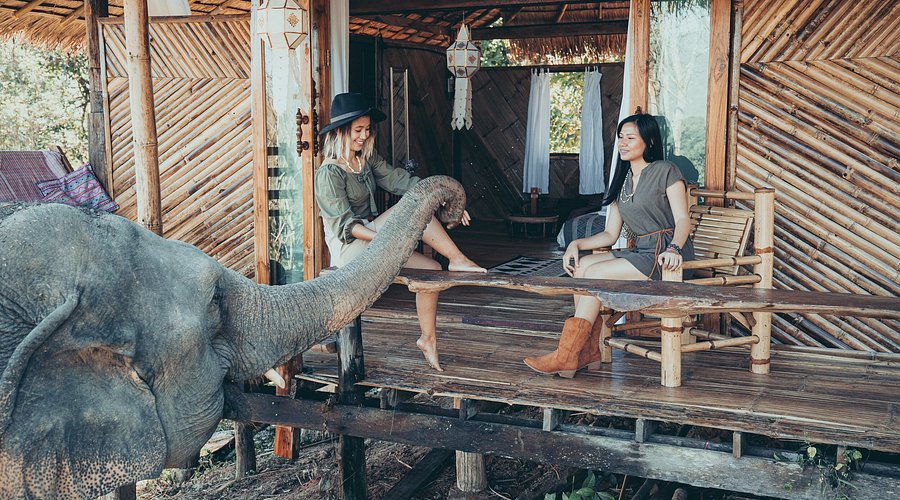
Chai Lai Orchid is explicit about its social mission. The property describes itself as “Travel and Give Back” in action, with 100 percent of proceeds donated to Daughters Rising, an anti-trafficking organization supporting at-risk women and girls, and an all-indigenous team learning hospitality and English on the job. During my stay, that translated into staff who were warm, occasionally shy, and clearly invested in sharing their home rather than performing a script. Breakfast at the hilltop cafe, included in the room rate, felt like the social anchor of the day, with locally sourced food, strong coffee, and guests trading tips on treks while elephants grazed in the distance. Free Wi-Fi, non-smoking rooms, airport shuttles, in-room massage, and yoga classes round out the basics, but the true value lies in knowing your three-star, bamboo-roofed hut funds conservation and anti-trafficking work. This isn’t for travelers who want hotel corridors or conventional luxury. I found myself preferring river sounds to any minibar, accepting firm beds and insects as part of the jungle, and appreciating that time near elephants here feels ethically and culturally grounded. Booking directly adds breakfast and free elephant room service to the equation, reinforcing that indulgence and impact share the same balcony.